

Arthritis Management
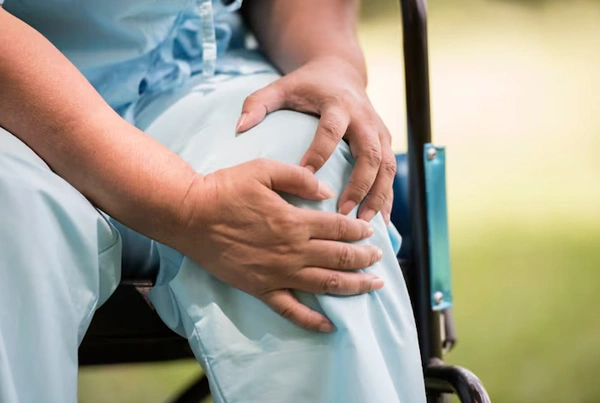
Arthritis is one of the most common causes of chronic joint pain, stiffness, and reduced mobility, affecting millions of people worldwide. Whether it develops due to aging, autoimmune disorders, injury, or wear and tear of the joints, arthritis can significantly impact daily life if left untreated. Timely diagnosis and expert pain management can help reduce discomfort, improve joint function, and enhance your quality of life.
If you are looking for Arthritis Management in Mayur Vihar, Dr. Abhimanyu Rana provides comprehensive evaluation and personalized treatment plans for patients suffering from arthritis-related pain. His evidence-based approach focuses on relieving pain, improving mobility, and helping patients regain independence through advanced pain management techniques.
What is Arthritis?
Arthritis is a condition that causes inflammation of one or more joints. It leads to pain, swelling, stiffness, and decreased range of motion. While many people associate arthritis with aging, it can affect individuals of all age groups.
There are more than 100 different types of arthritis, with the most common being:
- Osteoarthritis
- Rheumatoid Arthritis
- Psoriatic Arthritis
- Gout
- Ankylosing Spondylitis
Each type requires a different treatment strategy, making an accurate diagnosis essential.
Common Symptoms of Arthritis
Arthritis symptoms may develop gradually or suddenly depending on the type and severity of the condition. Common symptoms include:
- Persistent joint pain
- Morning stiffness lasting more than 30 minutes
- Swelling around joints
- Warmth and redness
- Reduced flexibility
- Difficulty walking or climbing stairs
- Weakness in affected joints
- Clicking or grinding sensation
- Fatigue in autoimmune arthritis
- Decreased ability to perform daily activities
If these symptoms continue for several weeks, medical evaluation is recommended.
Causes and Risk Factors
Several factors contribute to arthritis, including:
- Increasing age
- Family history
- Joint injuries
- Obesity
- Autoimmune diseases
- Repetitive stress on joints
- Previous infections
- Poor posture
- Sedentary lifestyle
- Metabolic disorders such as gout
Identifying the underlying cause helps in selecting the most effective treatment.
Types of Arthritis
Osteoarthritis
The most common form caused by gradual wear and tear of joint cartilage.
Rheumatoid Arthritis
An autoimmune disease where the body's immune system attacks healthy joints.
Gout
Occurs due to excessive uric acid crystals accumulating inside joints, causing severe pain.
Psoriatic Arthritis
Develops in some people suffering from psoriasis and affects joints and connective tissues.
Ankylosing Spondylitis
A chronic inflammatory disease primarily affecting the spine and sacroiliac joints.
Diagnosis of Arthritis
Dr. Abhimanyu Rana performs a comprehensive evaluation before starting treatment. Diagnosis may include:
- Detailed medical history
- Physical examination
- Assessment of joint movement
- Blood investigations
- X-rays
- MRI or CT scan (when required)
- Ultrasound-guided joint assessment
- Functional pain evaluation
An accurate diagnosis allows for targeted treatment and better long-term outcomes.
Arthritis Management Options
Successful arthritis treatment focuses on controlling pain, reducing inflammation, preserving joint function, and preventing disability.
Treatment may include:
Medications
Depending on the condition, medications may include:
- Anti-inflammatory medicines
- Pain relievers
- Muscle relaxants
- Disease-modifying drugs (for autoimmune arthritis)
- Vitamin supplements
Lifestyle Modification
Simple lifestyle changes can greatly improve symptoms.
These include:
- Weight management
- Regular low-impact exercise
- Balanced nutrition
- Adequate sleep
- Joint protection techniques
- Stress reduction
Physiotherapy
Customized physiotherapy programs help:
- Improve flexibility
- Strengthen muscles
- Increase joint stability
- Restore normal movement
- Reduce stiffness
Advanced Pain Management Procedures
When conservative treatments are insufficient, minimally invasive procedures may be recommended, such as:
- Ultrasound-guided joint injections
- Nerve blocks
- Radiofrequency Ablation (RFA)
- Regenerative pain therapies
- Image-guided pain interventions
These treatments can provide long-lasting relief while minimizing recovery time.
Benefits of Early Arthritis Management
Early treatment offers several advantages:
- Reduced pain
- Improved joint mobility
- Better quality of life
- Prevention of permanent joint damage
- Improved physical activity
- Reduced dependence on pain medications
- Delayed need for joint replacement surgery
- Better emotional well-being
Early intervention helps patients maintain an active and independent lifestyle.
Who Should Seek Treatment?
Consult a pain specialist if you experience:
- Joint pain lasting more than six weeks
- Swollen joints
- Difficulty walking
- Morning stiffness
- Limited movement
- Pain affecting work or sleep
- Recurrent joint inflammation
- Poor response to home remedies
Ignoring arthritis symptoms may lead to irreversible joint damage.
Why Choose Dr. Abhimanyu Rana?
Dr. Abhimanyu Rana is experienced in managing complex chronic pain conditions with a patient-focused approach. Every treatment plan is tailored according to the patient's diagnosis, pain severity, lifestyle, and treatment goals.
Patients benefit from:
- Comprehensive pain assessment
- Personalized treatment plans
- Evidence-based pain management
- Advanced minimally invasive procedures
- Holistic rehabilitation approach
- Long-term follow-up care
- Focus on improving mobility and daily function
- Compassionate patient care
His goal is not only to relieve pain but also to help patients return to their normal activities with improved comfort and confidence.
Frequently Asked Questions
Is arthritis completely curable?
Most forms of arthritis cannot be permanently cured, but symptoms can be effectively managed with appropriate treatment and lifestyle changes.
Can young adults develop arthritis?
Yes. Autoimmune arthritis, injuries, infections, and genetic factors can cause arthritis even in younger individuals.
Is surgery always required?
No. Most patients respond well to medications, physiotherapy, lifestyle modifications, and advanced pain management procedures. Surgery is considered only in severe cases.
Which exercises are best for arthritis?
Low-impact exercises such as walking, swimming, cycling, stretching, and strengthening exercises are generally recommended under professional guidance.
When should I consult a pain specialist?
If joint pain persists for several weeks, affects your daily activities, or does not improve with basic treatment, you should consult a pain specialist for proper evaluation.


