
Scoliosis
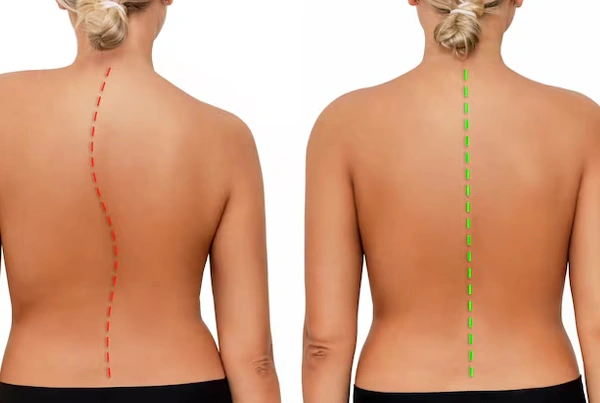
Scoliosis is a condition in which the spine curves sideways, often forming an "S" or "C" shape. While mild scoliosis may not cause noticeable symptoms, moderate to severe cases can lead to chronic back pain, poor posture, reduced mobility, and breathing difficulties. Early diagnosis and appropriate treatment are essential to prevent the progression of the spinal curve and improve quality of life.
If you are looking for Scoliosis Treatment in Mayur Vihar, Dr. Abhimanyu Rana provides comprehensive evaluation and advanced pain management solutions to reduce pain, improve spinal function, and help patients lead an active life.
What is Scoliosis?
Scoliosis is an abnormal sideways curvature of the spine that can affect children, adolescents, and adults. The condition may be present from birth, develop during growth, or occur later in life due to age-related spinal degeneration.
Although some people have no symptoms, others experience persistent back pain, muscle imbalance, and limited movement.
Symptoms of Scoliosis
Common symptoms include:
- Uneven shoulders
- One shoulder blade appearing more prominent
- Uneven waist or hips
- Visible curve in the spine
- Chronic back pain
- Neck or shoulder pain
- Muscle stiffness
- Difficulty standing for long periods
- Reduced flexibility
- Fatigue after physical activity
Severe scoliosis may also affect lung function and balance.
Causes of Scoliosis
Scoliosis can develop due to several reasons, including:
- Idiopathic scoliosis (unknown cause)
- Congenital spinal abnormalities
- Neuromuscular disorders
- Degenerative spine disease
- Osteoporosis
- Spinal injuries
- Previous spinal surgery
- Genetic factors
Identifying the underlying cause helps determine the most appropriate treatment.
Diagnosis of Scoliosis
Dr. Abhimanyu Rana performs a detailed evaluation that may include:
- Medical history
- Physical examination
- Posture assessment
- Spinal alignment evaluation
- X-rays
- MRI scan (if required)
- CT scan in selected cases
- Neurological examination
- Functional pain assessment
An accurate diagnosis helps create an effective, personalized treatment plan.
Scoliosis Treatment Options
Treatment depends on the degree of spinal curvature, symptoms, and the patient's age.
Medications
Treatment may include:
- Pain-relieving medications
- Anti-inflammatory medicines
- Muscle relaxants
Physiotherapy
A customized physiotherapy program helps:
- Improve posture
- Strengthen spinal muscles
- Increase flexibility
- Reduce pain
- Improve balance and mobility
Lifestyle Modifications
Patients are advised to:
- Maintain proper posture
- Stay physically active
- Perform spine-strengthening exercises
- Maintain a healthy weight
- Avoid prolonged sitting
- Use ergonomic workstations
Advanced Pain Management Procedures
For patients with chronic pain, Dr. Abhimanyu Rana may recommend:
- Facet Joint Injections
- Epidural Steroid Injections
- Trigger Point Injections
- Radiofrequency Ablation (RFA)
- Image-Guided Pain Management Procedures
These minimally invasive procedures help control pain and improve daily function.
Benefits of Early Treatment
Early management offers several advantages:
- Better pain control
- Improved posture
- Increased spinal flexibility
- Better mobility
- Reduced muscle stiffness
- Slower progression of spinal curvature
- Improved quality of life
- Reduced need for surgical intervention
Who Should Consult a Pain Specialist?
Consult Dr. Abhimanyu Rana if you experience:
- Persistent back pain
- Visible spinal curvature
- Uneven shoulders or hips
- Difficulty standing for long periods
- Muscle stiffness
- Reduced flexibility
- Pain affecting daily activities
- Symptoms worsening over time
Early consultation can help prevent long-term complications.
Why Choose Dr. Abhimanyu Rana?
Dr. Abhimanyu Rana specializes in chronic spine and pain disorders using evidence-based, patient-focused care. He provides personalized treatment plans aimed at relieving pain, improving spinal function, and enhancing overall quality of life.
Patients choose Dr. Rana for:
- Expertise in chronic pain management
- Comprehensive spinal assessment
- Personalized treatment plans
- Advanced minimally invasive pain procedures
- Image-guided interventions
- Non-surgical pain management
- Compassionate patient care
- Long-term rehabilitation support
Frequently Asked Questions
What is the main cause of scoliosis?
Most cases are idiopathic, meaning the exact cause is unknown. Other causes include congenital spinal abnormalities, neuromuscular disorders, and age-related degeneration.
Can scoliosis be treated without surgery?
Yes. Many patients benefit from medications, physiotherapy, posture correction, and advanced pain management procedures. Surgery is usually reserved for severe cases.
Does scoliosis always cause pain?
No. Mild scoliosis may not cause symptoms, while moderate or severe cases can lead to chronic back pain, muscle stiffness, and reduced mobility.
Can adults develop scoliosis?
Yes. Degenerative scoliosis can occur in adults due to aging, arthritis, or spinal degeneration.
When should I consult a pain specialist?
If you have persistent back pain, notice a spinal curve, or experience posture changes affecting daily life, consult Dr. Abhimanyu Rana for expert evaluation and treatment.


