
Scar Tissue Pain
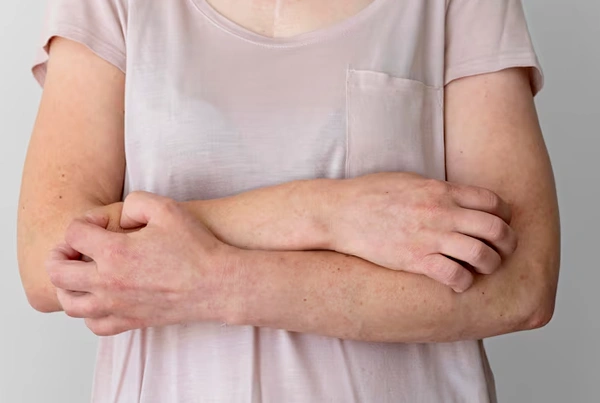
Scar tissue pain is a condition that may develop after surgery, injury, burns, or trauma when fibrous tissue forms during the healing process. While scar formation is a natural part of recovery, some scars can become painful, tight, or restrict movement by affecting nearby muscles, nerves, and connective tissues. Early diagnosis and specialized treatment can help reduce pain, improve mobility, and enhance overall quality of life.
If you are looking for Scar Tissue Pain Treatment in Mayur Vihar, Dr. Abhimanyu Rana offers comprehensive evaluation and advanced pain management solutions tailored to each patient's condition. His goal is to relieve pain, restore function, and help patients return to their daily activities comfortably.
What is Scar Tissue Pain?
Scar tissue develops as part of the body's natural healing process after surgery or injury. In some cases, excessive scar tissue may compress nearby nerves or limit the movement of muscles and joints, resulting in persistent pain and stiffness.
Scar tissue pain can occur after:
- Surgical procedures
- Accidental injuries
- Burns
- Sports injuries
- Orthopedic surgeries
- Spine surgeries
- Abdominal surgeries
- Joint replacement surgeries
Early treatment helps prevent long-term discomfort and movement restrictions.
Symptoms of Scar Tissue Pain
Common symptoms include:
- Pain around the scar
- Burning or sharp pain
- Tenderness over the scar
- Tightness of the skin
- Reduced flexibility
- Limited joint movement
- Tingling or numbness
- Pulling sensation during movement
- Muscle stiffness
- Pain while stretching or exercising
Persistent symptoms should be evaluated by a pain specialist.
Causes of Scar Tissue Pain
Scar tissue pain may occur due to:
- Nerve entrapment
- Excessive scar formation
- Adhesions
- Surgical trauma
- Burns
- Muscle injuries
- Tendon injuries
- Repeated surgeries
- Inflammation during healing
Identifying the underlying cause helps guide the most effective treatment.
Diagnosis of Scar Tissue Pain
Dr. Abhimanyu Rana performs a detailed assessment that may include:
- Complete medical history
- Physical examination
- Scar assessment
- Neurological evaluation
- Functional movement assessment
- Ultrasound or MRI (when required)
- Pain evaluation
A thorough diagnosis helps develop a personalized treatment plan.
Scar Tissue Pain Treatment Options
Treatment focuses on relieving pain, improving flexibility, and restoring normal movement.
Medications
Treatment may include:
- Pain-relieving medications
- Anti-inflammatory medicines
- Neuropathic pain medications
- Muscle relaxants
Physiotherapy
A customized rehabilitation program may include:
- Stretching exercises
- Scar tissue mobilization
- Manual therapy
- Strengthening exercises
- Range of motion exercises
- Posture correction
Lifestyle Modifications
Patients are encouraged to:
- Perform regular stretching
- Stay physically active
- Follow rehabilitation exercises
- Maintain healthy nutrition
- Avoid prolonged immobility
- Attend regular follow-up appointments
Advanced Pain Management Procedures
For persistent scar-related pain, Dr. Abhimanyu Rana may recommend:
- Trigger Point Injections
- Peripheral Nerve Blocks
- Ultrasound-Guided Pain Injections
- Hydrodissection (selected cases)
- Radiofrequency Ablation (RFA) when appropriate
- Image-Guided Interventional Pain Procedures
These minimally invasive treatments help relieve pain and improve function.
Benefits of Early Treatment
Early treatment offers several advantages:
- Reduced pain
- Improved flexibility
- Better mobility
- Reduced scar tightness
- Improved muscle function
- Faster recovery
- Reduced dependence on pain medications
- Improved quality of life
Early intervention helps prevent chronic pain and long-term movement limitations.
Who Should Consult a Pain Specialist?
Consult Dr. Abhimanyu Rana if you experience:
- Persistent pain around a scar
- Tightness limiting movement
- Burning or tingling near the scar
- Pain after surgery or injury
- Reduced flexibility
- Pain interfering with daily activities
- Scar sensitivity lasting several months
- Poor response to routine treatment
Prompt evaluation can help prevent chronic pain and improve recovery.
Why Choose Dr. Abhimanyu Rana?
Dr. Abhimanyu Rana specializes in chronic pain management using advanced, evidence-based techniques. He provides personalized treatment plans that focus on identifying the cause of scar-related pain and delivering effective, minimally invasive therapies for long-term relief.
Patients trust him for:
- Expertise in chronic pain management
- Personalized treatment plans
- Advanced interventional pain procedures
- Comprehensive pain assessment
- Image-guided pain therapies
- Non-surgical treatment options
- Compassionate patient care
- Long-term rehabilitation support
Frequently Asked Questions
Can scar tissue cause pain years after surgery?
Yes. Scar tissue can sometimes compress nerves or restrict movement, leading to pain even years after the original surgery.
Is scar tissue pain permanent?
Not necessarily. Many patients experience significant relief with physiotherapy, medications, and advanced pain management procedures.
Can physiotherapy help scar tissue pain?
Yes. Scar mobilization techniques, stretching exercises, and rehabilitation can improve flexibility and reduce pain.
Are injections effective for scar tissue pain?
Yes. Trigger point injections, nerve blocks, and ultrasound-guided procedures can provide effective pain relief in suitable patients.
When should I consult a pain specialist?
If scar pain persists for several weeks or months, limits movement, or affects your daily activities, consult Dr. Abhimanyu Rana for expert evaluation and treatment.


