

Peripheral Vascular Disease
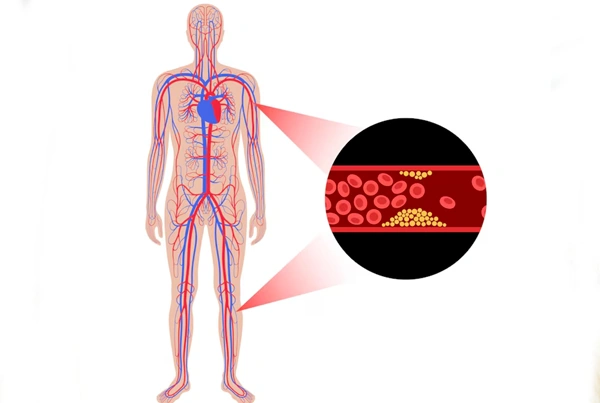
Peripheral Vascular Disease (PVD), also known as Peripheral Artery Disease (PAD), is a condition in which narrowed or blocked blood vessels reduce blood flow to the arms or legs. This decreased circulation can cause pain, cramping, numbness, and difficulty walking. While treatment of the underlying vascular disease is managed by a vascular surgeon or cardiologist, specialized pain management plays an important role in improving comfort, mobility, and overall quality of life.
If you are looking for Peripheral Vascular Disease Related Pain Treatment in Mayur Vihar, Dr. Abhimanyu Rana provides comprehensive pain assessment and personalized pain management solutions to help patients manage chronic vascular pain and improve daily functioning.
What is Peripheral Vascular Disease Related Pain?
Peripheral Vascular Disease related pain occurs when reduced blood flow fails to supply enough oxygen to the muscles and tissues, especially during physical activity. The pain commonly affects the legs and may become severe in advanced stages of the disease.
Chronic vascular pain can significantly limit mobility and daily activities if not managed appropriately.
Symptoms of Peripheral Vascular Disease
Common symptoms include:
- Leg pain while walking (Claudication)
- Cramping in the calf, thigh, or buttock
- Burning pain in the legs
- Pain at rest in advanced disease
- Numbness or weakness in the legs
- Cold feet or legs
- Slow-healing wounds or ulcers
- Skin discoloration
- Reduced walking distance
- Muscle fatigue
Persistent leg pain should be evaluated by a healthcare professional.
Causes and Risk Factors
Peripheral Vascular Disease commonly develops due to narrowing of the arteries.
Risk factors include:
- Atherosclerosis
- Diabetes
- High blood pressure
- High cholesterol
- Smoking
- Obesity
- Aging
- Physical inactivity
- Family history of vascular disease
Managing these risk factors helps slow disease progression and reduce symptoms.
Diagnosis
Dr. Abhimanyu Rana performs a detailed pain assessment and works alongside vascular surgeons or cardiologists whenever required.
Evaluation may include:
- Medical history
- Physical examination
- Pain assessment
- Review of Doppler Ultrasound reports
- Ankle-Brachial Index (ABI) reports
- CT or MR Angiography reports (if available)
- Functional mobility assessment
- Review of ongoing vascular treatment
A multidisciplinary approach helps ensure safe and effective pain management.
Peripheral Vascular Disease Pain Management
Pain management focuses on reducing discomfort while complementing treatment for the underlying vascular disease.
Medications
Treatment may include:
- Pain-relieving medications
- Neuropathic pain medications when appropriate
- Medications for chronic pain management
(Vascular medications such as blood thinners, antiplatelet drugs, and cholesterol-lowering medicines are prescribed by the treating vascular specialist or cardiologist.)
Lifestyle Modifications
Patients are encouraged to:
- Quit smoking
- Follow a heart-healthy diet
- Walk regularly under medical guidance
- Control diabetes and blood pressure
- Maintain a healthy weight
- Take prescribed vascular medications regularly
Lifestyle changes play an important role in improving circulation and reducing symptoms.
Rehabilitation
A supervised rehabilitation program may help:
- Improve walking ability
- Increase leg strength
- Improve circulation
- Enhance mobility
- Reduce pain during activity
Advanced Pain Management
For patients with persistent pain despite appropriate vascular treatment, Dr. Abhimanyu Rana may recommend:
- Peripheral Nerve Blocks
- Ultrasound-Guided Pain Injections
- Neuropathic Pain Management
- Image-Guided Interventional Pain Procedures
These treatments are considered only after proper vascular evaluation and in carefully selected patients.
Benefits of Specialized Pain Management
Timely pain management can help:
- Reduce chronic leg pain
- Improve walking ability
- Increase mobility
- Improve sleep quality
- Enhance daily functioning
- Reduce dependence on pain medications
- Improve emotional well-being
- Enhance overall quality of life
Pain management works alongside vascular treatment to provide comprehensive patient care.
Who Should Consult a Pain Specialist?
Consult Dr. Abhimanyu Rana if you experience:
- Persistent leg pain despite vascular treatment
- Chronic pain while walking
- Pain interfering with daily activities
- Burning or nerve-related leg pain
- Pain affecting sleep
- Chronic discomfort after vascular procedures
- Reduced quality of life due to vascular pain
Patients with sudden severe leg pain, cold limbs, loss of pulse, or signs of acute loss of circulation should seek immediate emergency medical attention.
Why Choose Dr. Abhimanyu Rana?
Dr. Abhimanyu Rana specializes in chronic pain management using advanced, evidence-based techniques. He works collaboratively with vascular specialists to provide comprehensive pain management for patients with Peripheral Vascular Disease, focusing on improving comfort, mobility, and overall quality of life.
Patients trust him for:
- Expertise in chronic pain management
- Personalized treatment plans
- Advanced interventional pain procedures
- Comprehensive pain assessment
- Image-guided pain therapies
- Multidisciplinary approach
- Compassionate patient care
- Long-term follow-up and rehabilitation
Frequently Asked Questions
What is Peripheral Vascular Disease?
Peripheral Vascular Disease is a condition in which narrowed arteries reduce blood flow to the limbs, causing pain and difficulty walking.
Can Peripheral Vascular Disease cause chronic pain?
Yes. Reduced blood flow may lead to chronic leg pain, especially during walking or, in advanced cases, even at rest.
Can pain management help patients with PVD?
Yes. Along with treatment of the underlying vascular condition, specialized pain management can improve comfort and quality of life for selected patients.
Is walking beneficial for Peripheral Vascular Disease?
Yes. Supervised walking programs are often recommended as they can improve circulation, walking distance, and overall leg function.
When should I consult a pain specialist?
If leg pain persists despite appropriate vascular treatment or significantly limits your daily activities, consult Dr. Abhimanyu Rana for specialized pain management.


