

Traumatic Injury Pain
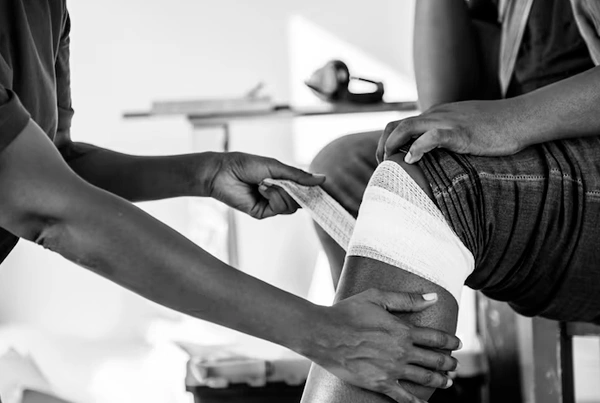
Traumatic injuries caused by road accidents, falls, sports injuries, workplace accidents, or other physical trauma can lead to acute or chronic pain that affects mobility and quality of life. Even after fractures or soft tissue injuries have healed, some patients continue to experience persistent pain due to nerve damage, muscle injury, joint stiffness, or scar tissue. Specialized pain management helps reduce discomfort, restore function, and support faster recovery.
If you are looking for Traumatic Injury Pain Treatment in Mayur Vihar, Dr. Abhimanyu Rana provides comprehensive pain assessment and personalized treatment plans to help patients recover comfortably and regain their daily activities.
What is Traumatic Injury Pain?
Traumatic injury pain develops after physical trauma that damages bones, muscles, ligaments, tendons, joints, or nerves. While most injuries heal with time, some patients develop chronic pain that requires specialized pain management.
Common traumatic injuries include:
- Road traffic accidents
- Sports injuries
- Falls
- Fractures
- Soft tissue injuries
- Crush injuries
- Joint injuries
- Muscle tears
- Ligament injuries
Early treatment helps prevent long-term pain and disability.
Symptoms of Traumatic Injury Pain
Common symptoms include:
- Persistent pain after an injury
- Swelling and tenderness
- Muscle stiffness
- Joint pain
- Limited movement
- Numbness or tingling
- Burning pain
- Weakness in the affected area
- Difficulty walking or lifting objects
- Sleep disturbances due to pain
Persistent symptoms should be evaluated by a pain specialist.
Causes of Persistent Pain After Trauma
Long-term pain may develop due to:
- Nerve injury
- Muscle damage
- Ligament tears
- Joint injuries
- Fractures
- Scar tissue formation
- Inflammation
- Poor healing
- Complex Regional Pain Syndrome (CRPS)
A proper diagnosis is essential for effective treatment.
Diagnosis
Dr. Abhimanyu Rana performs a detailed evaluation that may include:
- Complete medical history
- Physical examination
- Pain assessment
- Neurological evaluation
- Functional assessment
- Review of X-rays, MRI, or CT scans
- Assessment of previous treatments
A comprehensive diagnosis helps identify the cause of persistent pain.
Traumatic Injury Pain Treatment Options
Treatment focuses on relieving pain, improving movement, and restoring function.
Medications
Treatment may include:
- Pain-relieving medications
- Anti-inflammatory medicines
- Neuropathic pain medications
- Muscle relaxants
Physiotherapy and Rehabilitation
A structured rehabilitation program helps:
- Improve mobility
- Restore muscle strength
- Increase flexibility
- Reduce stiffness
- Improve balance and coordination
Lifestyle Modifications
Patients are advised to:
- Follow rehabilitation exercises
- Stay physically active as recommended
- Maintain healthy nutrition
- Avoid activities that worsen pain
- Attend regular follow-up appointments
Advanced Pain Management Procedures
For persistent pain, Dr. Abhimanyu Rana may recommend:
- Peripheral Nerve Blocks
- Trigger Point Injections
- Epidural Steroid Injections (when indicated)
- Radiofrequency Ablation (RFA)
- Ultrasound-Guided Pain Injections
- Image-Guided Interventional Pain Procedures
These minimally invasive treatments can provide significant pain relief and improve recovery.
Benefits of Early Pain Management
Early treatment offers several benefits:
- Better pain control
- Faster recovery
- Improved mobility
- Reduced muscle stiffness
- Better sleep quality
- Reduced dependence on pain medications
- Improved daily functioning
- Enhanced quality of life
Timely intervention helps prevent chronic pain and long-term disability.
Who Should Consult a Pain Specialist?
Consult Dr. Abhimanyu Rana if you experience:
- Pain lasting several weeks after an injury
- Persistent pain after fracture healing
- Nerve pain after trauma
- Difficulty walking or moving
- Joint stiffness
- Pain interfering with work or daily activities
- Pain not responding to medications
- Chronic pain after surgery for traumatic injuries
Early consultation helps improve recovery and long-term outcomes.
Why Choose Dr. Abhimanyu Rana?
Dr. Abhimanyu Rana is an expert in chronic pain management and rehabilitation. He provides personalized treatment plans using evidence-based therapies and advanced interventional pain procedures to help patients recover from traumatic injuries with minimal discomfort and maximum functional improvement.
Patients trust him for:
- Expertise in post-traumatic pain management
- Personalized treatment plans
- Advanced interventional pain procedures
- Comprehensive pain assessment
- Image-guided pain therapies
- Non-surgical treatment options
- Compassionate patient care
- Long-term rehabilitation support
Frequently Asked Questions
Can pain continue after a fracture has healed?
Yes. Some patients develop chronic pain due to nerve injury, scar tissue, or joint stiffness even after the bone has healed.
Is physiotherapy important after traumatic injuries?
Yes. Physiotherapy helps restore strength, flexibility, mobility, and reduces the risk of long-term pain.
Can nerve injuries after trauma be treated?
Yes. Medications, nerve blocks, and advanced pain management procedures can effectively reduce nerve-related pain.
Are injections useful for post-traumatic pain?
Yes. Ultrasound-guided injections, nerve blocks, and other interventional pain procedures may provide significant relief in selected patients.
When should I consult a pain specialist?
If pain persists beyond the expected healing period or affects your daily activities despite treatment, consult Dr. Abhimanyu Rana for specialized pain management.


