
Herniated or Slipped Disc
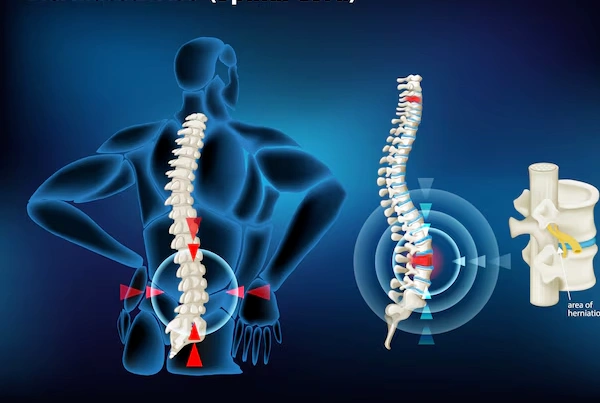
A herniated disc, commonly known as a slipped disc, is a spinal condition that occurs when the soft inner portion of a spinal disc pushes through its outer layer. This can compress nearby nerves, leading to pain, numbness, tingling, and muscle weakness. Herniated discs most commonly affect the lower back (lumbar spine) and neck (cervical spine), making everyday movements difficult and painful.
If you are searching for Herniated Disc treatment in Mayur Vihar, Dr. Abhimanyu Rana offers advanced, evidence-based pain management solutions to help relieve pain, improve mobility, and restore your quality of life. With specialized expertise in Chronic Pain Management and Palliative Care, Dr. Rana develops personalized treatment plans that focus on treating the root cause while minimizing the need for surgery whenever possible.
What is a Herniated (Slipped) Disc?
The spine is made up of vertebrae separated by soft, cushion-like discs that absorb shock and support movement. A herniated disc occurs when the inner gel-like material protrudes through a tear in the outer layer of the disc. This protrusion may press on nearby spinal nerves, causing pain that can spread into the arms or legs depending on the affected area.
Many patients experience significant improvement with timely diagnosis and appropriate non-surgical treatment. Patients seeking Herniated Disc treatment in Mayur Vihar benefit from comprehensive evaluation and minimally invasive pain management options provided by Dr. Abhimanyu Rana.
Common Symptoms of a Herniated Disc
Symptoms depend on the location and severity of the disc herniation.
- Lower back or neck pain
- Pain radiating to the arm or leg
- Numbness or tingling sensations
- Muscle weakness
- Burning or shooting pain
- Difficulty walking or standing
- Reduced spinal flexibility
- Pain while bending or lifting
- Difficulty sitting for prolonged periods
- Increased pain during coughing or sneezing
Persistent neurological symptoms should never be ignored and require prompt medical attention.
Causes of a Herniated Disc
Common causes include:
- Age-related disc degeneration
- Heavy lifting with improper technique
- Sudden twisting movements
- Sports injuries
- Repetitive physical strain
- Obesity
- Poor posture
- Sedentary lifestyle
- Traumatic accidents
- Smoking, which accelerates disc degeneration
Understanding the underlying cause helps determine the most effective treatment plan.
Who Should Seek Herniated Disc Treatment?
Consult a pain specialist if you experience:
- Persistent back or neck pain
- Pain radiating into the arms or legs
- Numbness or tingling
- Muscle weakness
- Difficulty walking or performing daily tasks
- Pain lasting longer than two weeks
- Symptoms affecting sleep
- Limited spinal movement
- Recurrent episodes of back pain
Early treatment reduces the risk of long-term nerve damage and chronic pain.
Diagnosis
Dr. Abhimanyu Rana performs a comprehensive evaluation to identify the affected disc and assess nerve involvement.
Diagnostic assessment may include:
- Detailed medical history
- Physical examination
- Neurological evaluation
- Muscle strength testing
- Reflex examination
- MRI scan
- X-rays
- CT scan (when required)
- Nerve conduction studies in selected cases
An accurate diagnosis ensures that each patient receives the most appropriate treatment.
Treatment Options
Treatment is personalized according to the severity of symptoms and the location of the herniated disc.
Medication Management
Medications may be prescribed to reduce inflammation, relieve pain, and improve mobility during recovery.
Physiotherapy
A structured physiotherapy program helps strengthen spinal muscles, improve posture, increase flexibility, and reduce pressure on affected nerves.
Interventional Pain Procedures
Advanced minimally invasive pain management procedures include:
- Epidural steroid injections
- Selective nerve root blocks
- Facet joint injections
- Trigger point injections
- Image-guided spinal injections
These procedures target inflammation around the compressed nerve and provide effective pain relief while supporting recovery.
Lifestyle Modification
Patients receive guidance regarding:
- Proper posture
- Weight management
- Safe lifting techniques
- Ergonomic workstation setup
- Core strengthening exercises
- Regular physical activity
Comprehensive Pain Management
For chronic or severe cases, Dr. Rana combines medications, rehabilitation, minimally invasive procedures, and lifestyle changes to achieve long-term pain control and functional improvement.
Benefits of Early Treatment
Choosing Herniated Disc treatment in Mayur Vihar offers several benefits:
- Relief from back and leg pain
- Reduced nerve inflammation
- Improved mobility
- Better spinal flexibility
- Prevention of permanent nerve damage
- Faster recovery
- Reduced dependence on pain medications
- Improved daily functioning
- Better sleep quality
- Enhanced overall quality of life
Why Choose Dr. Abhimanyu Rana?
Dr. Abhimanyu Rana is a renowned specialist in Chronic Pain Management and Palliative Care, dedicated to providing compassionate, evidence-based treatment for spinal disorders and chronic pain conditions.
Expertise
- Chronic Pain Management
- Palliative Care
- Spine and nerve pain management
- Image-guided interventional pain procedures
- Personalized patient-centered care
Education & Qualifications
- EFIC® Certificate in Pain Medicine Knowledge
- European Pain Federation (EFIC®), Brussels
- Certified in November 2022
- Specialized training in Pain Medicine
- Ongoing education in advanced pain management techniques
Areas of Interest
- Chronic Pain Management
- Neuropathic Pain Treatment
- Musculoskeletal Pain Management
- Cancer Pain Management
- Palliative Care
- Symptom Management
Recovery and Prevention Tips
Patients can support recovery and reduce the risk of recurrence by:
- Maintaining correct posture
- Exercising regularly
- Strengthening core muscles
- Avoiding prolonged sitting
- Using proper lifting techniques
- Maintaining a healthy body weight
- Staying physically active
- Following prescribed physiotherapy
- Using ergonomic furniture
- Attending regular follow-up appointments
Frequently Asked Questions
1. What is a herniated disc?
A herniated disc occurs when the soft inner material of a spinal disc pushes through its outer layer and compresses nearby nerves.
2. Is a slipped disc the same as a herniated disc?
Yes. "Slipped disc" is the commonly used term for a herniated disc.
3. Can a herniated disc heal without surgery?
Yes. Most patients recover successfully with medications, physiotherapy, lifestyle changes, and minimally invasive pain management procedures.
4. When should I consult a pain specialist?
If you experience persistent back pain, pain radiating to the arms or legs, numbness, weakness, or difficulty performing daily activities, consult a specialist.
5. Are spinal injections safe?
Yes. When performed under image guidance by experienced specialists, spinal injections are considered safe and effective for appropriate patients.
6. How long does recovery take?
Recovery varies depending on the severity of the condition. Many patients improve within a few weeks to a few months with proper treatment.
7. Can poor posture contribute to a herniated disc?
Yes. Poor posture places excessive stress on the spine and increases the risk of disc degeneration and injury.
8. Can a herniated disc recur?
Yes. Maintaining proper posture, exercising regularly, and following medical advice can significantly reduce the risk of recurrence.


