
Spinal Stenosis
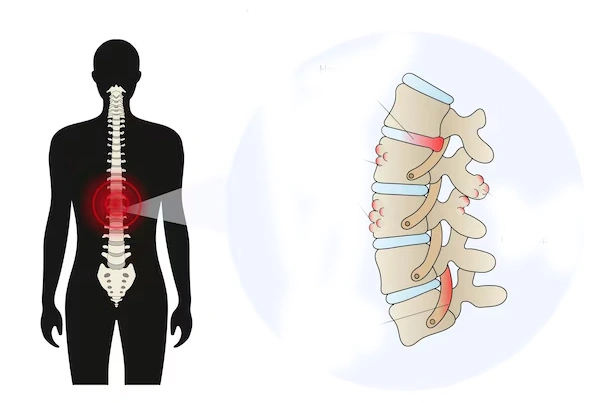
Spinal stenosis is a condition in which the spaces within the spine become narrowed, putting pressure on the spinal cord or nerve roots. This pressure can cause pain, numbness, tingling, muscle weakness, and difficulty walking. The condition most commonly affects the lower back (lumbar spine) and neck (cervical spine), especially in older adults due to age-related degeneration.
If you are searching for Spinal Stenosis treatment in Mayur Vihar, Dr. Abhimanyu Rana provides advanced, evidence-based pain management solutions designed to relieve pain, improve mobility, and enhance your quality of life. With specialized expertise in Chronic Pain Management and Palliative Care, Dr. Rana offers personalized treatment plans that focus on reducing nerve compression and helping patients regain their daily activities without unnecessary surgery whenever possible.
What is Spinal Stenosis?
The spinal canal is the space that houses the spinal cord and nerves. In spinal stenosis, this space narrows due to conditions such as arthritis, thickened ligaments, herniated discs, bone spurs, or degenerative changes. As the nerves become compressed, patients may experience pain, weakness, and reduced mobility.
Early diagnosis and timely treatment can help prevent worsening symptoms and long-term nerve damage. Patients seeking Spinal Stenosis treatment in Mayur Vihar benefit from comprehensive evaluation and minimally invasive pain management techniques offered by Dr. Abhimanyu Rana.
Common Symptoms of Spinal Stenosis
Symptoms vary depending on the location and severity of nerve compression.
- Persistent lower back or neck pain
- Pain radiating to the arms or legs
- Numbness or tingling sensations
- Muscle weakness
- Difficulty walking long distances
- Pain that improves while sitting or bending forward
- Loss of balance
- Leg cramps
- Reduced spinal flexibility
- Difficulty standing for prolonged periods
Severe cases may require urgent medical attention if bladder or bowel control is affected.
Causes of Spinal Stenosis
Common causes include:
- Age-related spinal degeneration
- Osteoarthritis
- Bone spur formation
- Herniated discs
- Thickened spinal ligaments
- Degenerative disc disease
- Congenital narrow spinal canal
- Previous spinal injuries
- Spinal tumors (rare)
- Spinal infections (rare)
Identifying the exact cause allows for a more targeted and effective treatment plan.
Who Should Seek Spinal Stenosis Treatment?
Consult a pain specialist if you experience:
- Persistent back or neck pain
- Pain radiating to the arms or legs
- Numbness or tingling
- Muscle weakness
- Difficulty walking or maintaining balance
- Pain lasting more than two weeks
- Symptoms affecting sleep
- Difficulty standing for long periods
- Reduced mobility
Early treatment helps prevent progression and improves long-term outcomes.
Diagnosis
Dr. Abhimanyu Rana performs a detailed evaluation to determine the extent of spinal narrowing and nerve involvement.
Diagnostic assessment may include:
- Detailed medical history
- Physical examination
- Neurological assessment
- Muscle strength testing
- Reflex examination
- MRI scan
- X-rays
- CT scan (when required)
- Nerve conduction studies in selected cases
Accurate diagnosis helps develop an individualized treatment plan for effective pain relief.
Treatment Options
Treatment is based on symptom severity, spinal involvement, and overall health.
Medication Management
Medications may be prescribed to reduce pain, inflammation, and muscle spasms while improving daily function.
Physiotherapy
A customized physiotherapy program helps strengthen spinal muscles, improve posture, enhance flexibility, and increase walking tolerance.
Interventional Pain Procedures
Advanced minimally invasive pain management procedures may include:
- Epidural steroid injections
- Selective nerve root blocks
- Facet joint injections
- Medial branch blocks
- Image-guided spinal injections
These procedures reduce inflammation around compressed nerves and provide effective pain relief while improving mobility.
Lifestyle Modification
Patients receive guidance regarding:
- Maintaining healthy body weight
- Proper posture
- Ergonomic workplace adjustments
- Regular stretching
- Low-impact exercise
- Safe movement techniques
Comprehensive Pain Management
For chronic spinal stenosis, Dr. Rana develops individualized treatment plans combining medication, rehabilitation, minimally invasive procedures, and lifestyle modifications for long-term symptom control.
Benefits of Early Treatment
Choosing Spinal Stenosis treatment in Mayur Vihar offers several advantages:
- Relief from back and leg pain
- Reduced nerve compression symptoms
- Improved walking ability
- Better balance
- Increased spinal flexibility
- Reduced dependence on pain medication
- Prevention of further nerve damage
- Improved quality of life
- Faster functional recovery
- Enhanced daily mobility
Why Choose Dr. Abhimanyu Rana?
Dr. Abhimanyu Rana is a renowned specialist in Chronic Pain Management and Palliative Care, committed to providing compassionate, evidence-based treatment for spinal disorders and chronic pain conditions.
Expertise
- Chronic Pain Management
- Palliative Care
- Spine and nerve pain management
- Image-guided interventional pain procedures
- Personalized patient-centered care
Education & Qualifications
- EFIC® Certificate in Pain Medicine Knowledge
- European Pain Federation (EFIC®), Brussels
- Certified in November 2022
- Specialized training in Pain Medicine
- Ongoing education in advanced pain management techniques
Areas of Interest
- Chronic Pain Management
- Neuropathic Pain Treatment
- Musculoskeletal Pain Management
- Cancer Pain Management
- Palliative Care
- Symptom Management
Recovery and Prevention Tips
Patients can support recovery and slow disease progression by:
- Maintaining a healthy weight
- Exercising regularly
- Strengthening core muscles
- Practicing good posture
- Avoiding prolonged standing
- Performing regular stretching exercises
- Using ergonomic furniture
- Staying physically active
- Following prescribed physiotherapy
- Attending regular follow-up appointments
Frequently Asked Questions
1. What is spinal stenosis?
Spinal stenosis is the narrowing of the spinal canal that puts pressure on the spinal cord or spinal nerves.
2. What causes spinal stenosis?
The most common causes include age-related degeneration, arthritis, bone spurs, herniated discs, and thickened ligaments.
3. Can spinal stenosis be treated without surgery?
Yes. Many patients experience significant improvement with medications, physiotherapy, lifestyle changes, and minimally invasive pain management procedures.
4. Are epidural steroid injections effective?
Yes. Image-guided epidural steroid injections can help reduce nerve inflammation and provide long-lasting pain relief.
5. When should I consult a pain specialist?
If you have persistent back or neck pain, numbness, weakness, difficulty walking, or symptoms affecting daily life, seek medical evaluation.
6. Is walking good for spinal stenosis?
Walking and other low-impact exercises may help improve mobility when performed under medical guidance.
7. Can spinal stenosis worsen over time?
Yes. Without appropriate treatment, symptoms may gradually worsen and limit mobility.
8. Can spinal stenosis be prevented?
Maintaining a healthy weight, staying physically active, practicing good posture, and strengthening the back and core muscles can help reduce the risk and slow progression.


