

Vertebral Compression Fractures
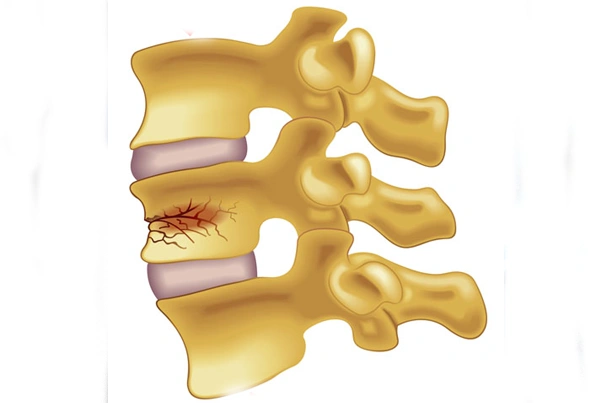
A Vertebral Compression Fracture (VCF) is a condition in which one or more bones of the spine (vertebrae) collapse or become compressed, leading to severe back pain, reduced mobility, and spinal deformity. These fractures are commonly associated with osteoporosis but may also occur due to trauma, cancer, or other conditions that weaken the bones. Without timely treatment, vertebral compression fractures can significantly affect posture, independence, and overall quality of life.
If you are looking for Vertebral Compression Fracture treatment in Mayur Vihar, Dr. Abhimanyu Rana offers comprehensive, evidence-based pain management solutions to relieve pain, improve mobility, and enhance recovery. With expertise in Chronic Pain Management and Palliative Care, Dr. Rana provides individualized treatment plans that focus on reducing pain, restoring function, and improving long-term spinal health.
What are Vertebral Compression Fractures?
The spine is made up of a series of bones called vertebrae that provide support and protect the spinal cord. A vertebral compression fracture occurs when one of these bones weakens and collapses under pressure. The fracture may happen suddenly after a fall or gradually due to osteoporosis or metastatic cancer.
Early diagnosis and treatment are essential to prevent worsening pain, spinal deformity, and additional fractures. Patients seeking Vertebral Compression Fracture treatment in Mayur Vihar benefit from a thorough evaluation and advanced pain management techniques tailored to their specific condition.
Common Symptoms of Vertebral Compression Fractures
Symptoms may develop suddenly or gradually depending on the cause.
- Sudden onset of severe back pain
- Pain that worsens while standing or walking
- Relief of pain when lying down
- Limited spinal movement
- Loss of height over time
- Stooped posture (kyphosis)
- Muscle spasms
- Difficulty bending or lifting
- Reduced mobility
- Persistent back discomfort
Patients experiencing sudden severe back pain, especially older adults with osteoporosis, should seek immediate medical evaluation.
Causes of Vertebral Compression Fractures
Common causes include:
- Osteoporosis
- Falls or accidents
- Sports injuries
- Metastatic cancer involving the spine
- Multiple myeloma
- Long-term steroid use
- Bone infections
- Age-related bone weakening
- Severe spinal trauma
- Other metabolic bone disorders
Determining the underlying cause is important for selecting the most appropriate treatment.
Who Should Seek Treatment?
You should consult a pain specialist if you experience:
- Sudden severe back pain
- Persistent pain after a fall
- Pain limiting movement
- Difficulty standing or walking
- Loss of height
- Curved or stooped posture
- Pain not improving with medication
- Recurrent spinal fractures
- Chronic back pain related to osteoporosis
Early intervention can reduce pain and improve recovery while preventing further spinal complications.
Diagnosis
Dr. Abhimanyu Rana performs a detailed evaluation to identify the fracture, determine its cause, and assess spinal stability.
Diagnostic assessment may include:
- Detailed medical history
- Physical examination
- Neurological evaluation
- X-rays
- MRI scan
- CT scan
- Bone density (DEXA) scan
- Blood investigations (when required)
- Evaluation for osteoporosis or cancer if indicated
Accurate diagnosis ensures an individualized and effective treatment approach.
Treatment Options
Treatment depends on the severity of the fracture, pain level, and the patient's overall health.
Medication Management
Pain-relieving medications and treatments to improve bone health may be recommended to reduce symptoms and support recovery.
Physiotherapy
A structured rehabilitation program helps improve posture, strengthen back muscles, increase mobility, and reduce the risk of future fractures.
Interventional Pain Procedures
Advanced minimally invasive procedures may include:
- Vertebroplasty (selected cases)
- Kyphoplasty (selected cases)
- Epidural steroid injections (when nerve irritation is present)
- Facet joint injections
- Image-guided pain management procedures
These treatments can provide significant pain relief and improve mobility in carefully selected patients.
Lifestyle Modification
Patients receive guidance regarding:
- Bone-strengthening nutrition
- Fall prevention strategies
- Weight-bearing exercises
- Calcium and Vitamin D optimization
- Safe lifting techniques
- Smoking cessation where applicable
Comprehensive Pain Management
Dr. Rana develops personalized treatment plans combining medications, rehabilitation, minimally invasive procedures, and lifestyle changes to achieve long-term pain control and functional improvement.
Benefits of Early Treatment
Choosing Vertebral Compression Fracture treatment in Mayur Vihar offers several benefits:
- Significant pain relief
- Improved spinal stability
- Better posture
- Increased mobility
- Reduced risk of future fractures
- Improved quality of life
- Faster recovery
- Better daily functioning
- Reduced dependence on pain medications
- Prevention of long-term spinal deformity
Why Choose Dr. Abhimanyu Rana?
Dr. Abhimanyu Rana is a renowned specialist in Chronic Pain Management and Palliative Care, committed to delivering compassionate, evidence-based care for patients with spinal fractures and chronic pain conditions.
Expertise
- Chronic Pain Management
- Palliative Care
- Spine pain management
- Image-guided interventional pain procedures
- Personalized patient-centered treatment
Education & Qualifications
- EFIC® Certificate in Pain Medicine Knowledge
- European Pain Federation (EFIC®), Brussels
- Certified in November 2022
- Specialized training in Pain Medicine
- Continuous education in advanced pain management techniques
Areas of Interest
- Chronic Pain Management
- Musculoskeletal Pain Management
- Cancer Pain Management
- Neuropathic Pain Treatment
- Palliative Care
- Symptom Management
Recovery and Prevention Tips
Patients can improve recovery and reduce the risk of future fractures by:
- Following prescribed treatment plans
- Taking osteoporosis medications if advised
- Maintaining adequate calcium and Vitamin D intake
- Performing weight-bearing exercises
- Avoiding smoking
- Preventing falls at home
- Maintaining good posture
- Staying physically active
- Attending regular follow-up appointments
- Monitoring bone health regularly
Frequently Asked Questions
1. What is a vertebral compression fracture?
A vertebral compression fracture occurs when one of the spinal bones collapses due to osteoporosis, trauma, cancer, or other conditions affecting bone strength.
2. Who is most at risk?
Older adults, especially individuals with osteoporosis, long-term steroid use, or certain cancers, are at higher risk.
3. Can vertebral compression fractures heal without surgery?
Yes. Many patients improve with medications, physiotherapy, bracing, and minimally invasive pain management procedures. Some cases may require vertebroplasty or kyphoplasty.
4. What is kyphoplasty?
Kyphoplasty is a minimally invasive procedure that stabilizes a fractured vertebra and may help restore some of its height while relieving pain.
5. How are vertebral compression fractures diagnosed?
Diagnosis typically includes a physical examination, X-rays, MRI or CT scans, and bone density testing when osteoporosis is suspected.
6. How long does recovery take?
Recovery varies depending on the severity of the fracture and overall health, but many patients experience improvement over several weeks to months.
7. Can future fractures be prevented?
Yes. Managing osteoporosis, maintaining bone health, exercising regularly, and preventing falls can significantly reduce the risk.
8. When should I consult a pain specialist?
If you experience sudden severe back pain, especially after a fall or with known osteoporosis, seek prompt medical evaluation.


