

Trigeminal Neuralgia
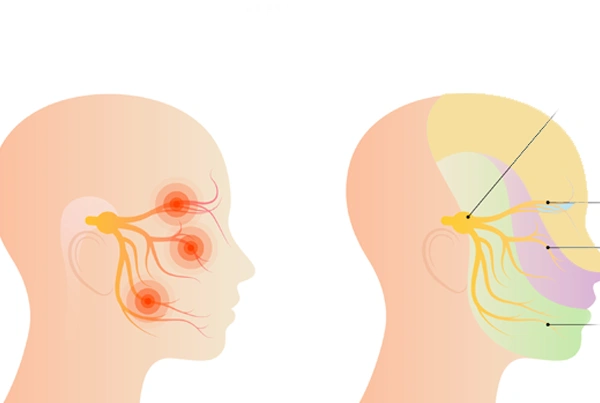
Trigeminal Neuralgia is a chronic nerve disorder that causes sudden, severe, electric shock-like pain on one side of the face. It affects the trigeminal nerve, which carries sensation from the face to the brain. Even simple daily activities such as talking, chewing, brushing teeth, washing the face, or smiling can trigger intense episodes of pain. The condition can significantly affect emotional well-being, nutrition, and overall quality of life if left untreated.
If you are searching for Trigeminal Neuralgia treatment in Mayur Vihar, Dr. Abhimanyu Rana provides advanced, evidence-based pain management solutions to relieve facial nerve pain and improve daily functioning. With expertise in Chronic Pain Management and Palliative Care, Dr. Rana offers personalized treatment plans using modern diagnostic techniques and minimally invasive interventions to achieve long-term pain relief.
What is Trigeminal Neuralgia?
The trigeminal nerve is the fifth cranial nerve responsible for facial sensation. Trigeminal Neuralgia occurs when this nerve becomes irritated or compressed, often by a nearby blood vessel. Less commonly, the condition may result from multiple sclerosis, tumors, facial trauma, or other neurological disorders.
Pain episodes are typically brief but extremely intense and may recur several times a day. Early diagnosis and appropriate treatment are essential to prevent worsening symptoms and improve quality of life. Patients seeking Trigeminal Neuralgia treatment in Mayur Vihar benefit from comprehensive evaluation and specialized pain management provided by Dr. Abhimanyu Rana.
Common Symptoms of Trigeminal Neuralgia
Symptoms may include:
- Sudden, sharp facial pain
- Electric shock-like pain on one side of the face
- Pain triggered by chewing or talking
- Pain while brushing teeth
- Facial pain during shaving or washing
- Pain lasting from seconds to minutes
- Recurrent pain episodes throughout the day
- Burning sensation after severe attacks
- Facial muscle twitching during pain episodes
- Anxiety related to pain attacks
These symptoms often become more frequent and severe without appropriate treatment.
Causes of Trigeminal Neuralgia
Common causes include:
- Compression of the trigeminal nerve by a blood vessel
- Age-related changes in blood vessels
- Multiple sclerosis
- Brain tumors
- Facial trauma
- Previous facial surgery
- Nerve injury
- Rare neurological disorders
- Structural abnormalities near the nerve
Identifying the underlying cause is important for selecting the most effective treatment.
Who Should Seek Treatment?
Consult a pain specialist if you experience:
- Sudden severe facial pain
- Electric shock-like facial sensations
- Pain triggered by eating or speaking
- Recurrent facial pain attacks
- Facial pain affecting daily activities
- Pain not responding to routine medications
- Difficulty eating due to pain
- Persistent anxiety caused by pain episodes
Early intervention can significantly improve symptom control and reduce the frequency of attacks.
Diagnosis
Dr. Abhimanyu Rana performs a detailed clinical evaluation to identify the cause of facial nerve pain.
Diagnostic assessment may include:
- Detailed medical history
- Neurological examination
- Facial sensory assessment
- Cranial nerve evaluation
- MRI scan
- High-resolution brain imaging
- Evaluation for multiple sclerosis or structural abnormalities when indicated
Accurate diagnosis helps distinguish Trigeminal Neuralgia from other facial pain disorders and guides personalized treatment.
Treatment Options
Treatment is tailored according to the severity, frequency, and underlying cause of pain.
Medication Management
Specialized medications may be prescribed to stabilize nerve activity, reduce pain attacks, and improve quality of life.
Interventional Pain Procedures
For patients with persistent or medication-resistant pain, advanced minimally invasive procedures may include:
- Trigeminal nerve block
- Peripheral nerve blocks
- Radiofrequency ablation (RFA)
- Image-guided pain interventions
These procedures help interrupt pain signals and provide longer-lasting relief.
Lifestyle Modification
Patients receive guidance regarding:
- Identifying pain triggers
- Maintaining oral hygiene carefully
- Eating soft foods during painful episodes
- Stress management techniques
- Adequate sleep
- Avoiding extreme cold exposure
Comprehensive Pain Management
Dr. Rana combines medications, interventional pain procedures, lifestyle guidance, and regular follow-up to achieve effective long-term symptom control.
Benefits of Early Treatment
Choosing Trigeminal Neuralgia treatment in Mayur Vihar offers several benefits:
- Significant reduction in facial pain
- Fewer pain attacks
- Improved ability to eat and speak
- Better sleep quality
- Reduced dependence on medications
- Improved emotional well-being
- Enhanced daily functioning
- Better quality of life
- Prevention of worsening symptoms
- Long-term pain control
Why Choose Dr. Abhimanyu Rana?
Dr. Abhimanyu Rana is a renowned specialist in Chronic Pain Management and Palliative Care, dedicated to providing compassionate, evidence-based treatment for complex nerve pain conditions.
Expertise
- Chronic Pain Management
- Neuropathic Pain Treatment
- Facial nerve pain management
- Image-guided interventional pain procedures
- Personalized patient-centered care
Education & Qualifications
- EFIC® Certificate in Pain Medicine Knowledge
- European Pain Federation (EFIC®), Brussels
- Certified in November 2022
- Specialized training in Pain Medicine
- Continuous education in advanced pain management techniques
Areas of Interest
- Chronic Pain Management
- Neuropathic Pain Treatment
- Musculoskeletal Pain Management
- Cancer Pain Management
- Palliative Care
- Symptom Management
Recovery and Prevention Tips
Patients can better manage Trigeminal Neuralgia by:
- Taking medications exactly as prescribed
- Avoiding known pain triggers
- Protecting the face from cold winds
- Managing stress effectively
- Maintaining good oral hygiene
- Eating soft foods during flare-ups
- Getting adequate sleep
- Attending regular follow-up appointments
- Reporting worsening symptoms promptly
- Following personalized treatment recommendations
Frequently Asked Questions
1. What is Trigeminal Neuralgia?
Trigeminal Neuralgia is a chronic nerve disorder that causes sudden, severe, electric shock-like pain on one side of the face.
2. What causes Trigeminal Neuralgia?
The condition is commonly caused by compression of the trigeminal nerve by a blood vessel, though multiple sclerosis, tumors, and nerve injuries can also be responsible.
3. Is Trigeminal Neuralgia curable?
While it may not always be permanently cured, most patients achieve excellent symptom control with medications and advanced pain management techniques.
4. Are nerve blocks effective?
Yes. Image-guided nerve blocks and other interventional procedures can provide significant pain relief in carefully selected patients.
5. Can everyday activities trigger pain?
Yes. Talking, chewing, brushing teeth, washing the face, or even a gentle breeze can trigger painful episodes.
6. When should I consult a pain specialist?
If you experience sudden, recurrent facial pain that affects eating, speaking, or daily activities, seek prompt evaluation.
7. Is surgery always necessary?
No. Many patients improve with medications and minimally invasive pain management procedures without requiring surgery.
8. Can Trigeminal Neuralgia worsen over time?
Yes. Without appropriate treatment, pain episodes may become more frequent and severe, making early diagnosis important.


