

Post Herpetic Neuralgia After Shingles
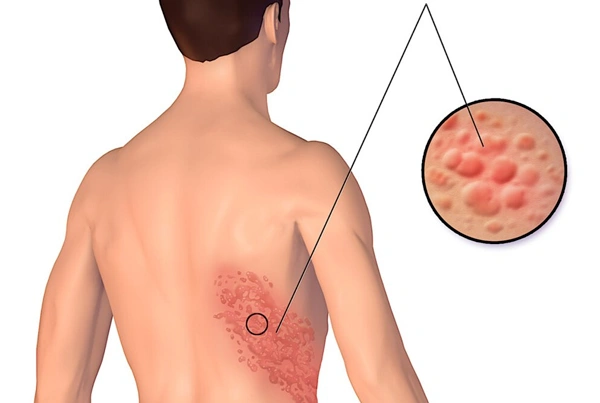
Post-Herpetic Neuralgia (PHN) is one of the most common and painful complications of shingles (Herpes Zoster). It occurs when nerve damage caused by the shingles virus leads to persistent pain that continues for months or even years after the skin rash has healed. The pain can range from burning and stabbing sensations to extreme sensitivity, making even light touch or clothing uncomfortable.
If you are looking for Post-Herpetic Neuralgia treatment in Mayur Vihar, Dr. Abhimanyu Rana offers advanced, evidence-based pain management solutions to reduce nerve pain, improve daily comfort, and enhance quality of life. With expertise in Chronic Pain Management and Palliative Care, Dr. Rana develops personalized treatment plans using modern medications, minimally invasive pain procedures, and supportive care for long-term symptom relief.
What is Post-Herpetic Neuralgia?
Post-Herpetic Neuralgia is a chronic neuropathic pain condition that develops after a shingles infection. Shingles is caused by the reactivation of the varicella-zoster virus, the same virus responsible for chickenpox. Even after the rash heals, the virus may leave permanent damage to the affected nerves, causing ongoing pain.
PHN is more common in older adults and individuals with weakened immune systems. Early diagnosis and prompt treatment are essential to reduce pain intensity and prevent long-term complications. Patients seeking Post-Herpetic Neuralgia treatment in Mayur Vihar benefit from comprehensive evaluation and specialized pain management offered by Dr. Abhimanyu Rana.
Common Symptoms of Post-Herpetic Neuralgia
Symptoms may include:
- Burning or stabbing nerve pain
- Persistent pain after shingles
- Extreme skin sensitivity
- Pain with light touch (allodynia)
- Tingling or numbness
- Itching in the affected area
- Sharp shooting pain
- Difficulty sleeping due to pain
- Fatigue caused by chronic discomfort
- Reduced quality of life
The pain usually affects the same area where the shingles rash previously appeared.
Causes of Post-Herpetic Neuralgia
PHN develops due to nerve damage following shingles infection. Risk factors include:
- Previous shingles infection
- Increasing age (especially over 50 years)
- Severe shingles rash
- Delayed antiviral treatment
- Weak immune system
- Diabetes
- Chronic medical conditions
- Severe nerve inflammation during shingles
Understanding these factors helps guide effective treatment and prevention strategies.
Who Should Seek Treatment?
You should consult a pain specialist if you experience:
- Pain lasting more than three months after shingles
- Burning or stabbing sensations
- Pain interfering with sleep
- Extreme sensitivity to clothing or touch
- Persistent numbness or tingling
- Difficulty performing daily activities
- Poor response to routine pain medications
- Chronic nerve pain affecting emotional well-being
Early treatment improves pain control and overall recovery.
Diagnosis
Dr. Abhimanyu Rana performs a detailed clinical assessment to confirm Post-Herpetic Neuralgia and evaluate the severity of nerve damage.
Diagnostic assessment may include:
- Detailed medical history
- Review of previous shingles infection
- Physical examination
- Neurological assessment
- Sensory examination
- Pain intensity assessment
- Evaluation of affected skin and nerve distribution
Most cases are diagnosed clinically, with additional investigations performed only when needed to exclude other causes of nerve pain.
Treatment Options
Treatment is individualized according to the severity of symptoms and patient needs.
Medication Management
Specialized medications may be prescribed to reduce neuropathic pain, improve sleep, and enhance daily functioning.
Interventional Pain Procedures
For patients with persistent symptoms, advanced minimally invasive procedures may include:
- Peripheral nerve blocks
- Intercostal nerve blocks (when appropriate)
- Trigger point injections
- Image-guided pain management procedures
These treatments help reduce pain signals and provide longer-lasting relief.
Lifestyle Modification
Patients receive guidance regarding:
- Protecting sensitive skin
- Wearing loose, comfortable clothing
- Stress management
- Maintaining good sleep habits
- Healthy nutrition
- Gentle physical activity
Comprehensive Pain Management
Dr. Rana combines medication, interventional pain procedures, rehabilitation, and supportive care to achieve long-term pain control and improve quality of life.
Benefits of Early Treatment
Choosing Post-Herpetic Neuralgia treatment in Mayur Vihar offers several advantages:
- Reduced nerve pain
- Improved sleep quality
- Better skin comfort
- Increased daily activity
- Reduced sensitivity to touch
- Improved emotional well-being
- Reduced dependence on pain medications
- Better overall quality of life
- Enhanced functional recovery
- Long-term symptom control
Why Choose Dr. Abhimanyu Rana?
Dr. Abhimanyu Rana is a renowned specialist in Chronic Pain Management and Palliative Care, providing compassionate, evidence-based treatment for chronic nerve pain conditions, including Post-Herpetic Neuralgia.
Expertise
- Chronic Pain Management
- Neuropathic Pain Treatment
- Image-guided interventional pain procedures
- Palliative Care
- Personalized patient-centered care
Education & Qualifications
- EFIC® Certificate in Pain Medicine Knowledge
- European Pain Federation (EFIC®), Brussels
- Certified in November 2022
- Specialized training in Pain Medicine
- Continuous education in advanced pain management techniques
Areas of Interest
- Chronic Pain Management
- Neuropathic Pain Treatment
- Musculoskeletal Pain Management
- Cancer Pain Management
- Palliative Care
- Symptom Management
Recovery and Prevention Tips
Patients can improve recovery and reduce complications by:
- Seeking early treatment for shingles
- Taking medications exactly as prescribed
- Protecting sensitive skin
- Wearing loose-fitting clothing
- Managing stress effectively
- Maintaining healthy sleep habits
- Eating a balanced diet
- Staying physically active within comfort limits
- Attending regular follow-up appointments
- Considering shingles vaccination when appropriate after medical consultation
Frequently Asked Questions
1. What is Post-Herpetic Neuralgia?
Post-Herpetic Neuralgia is persistent nerve pain that continues after the shingles rash has healed due to nerve damage caused by the varicella-zoster virus.
2. Who is at higher risk of developing PHN?
Older adults, especially those over 50 years of age, and individuals with severe shingles or weakened immunity are at higher risk.
3. Can PHN be cured?
While complete recovery varies, many patients achieve significant pain relief with medications and advanced pain management techniques.
4. How long does Post-Herpetic Neuralgia last?
Symptoms may last for several months or, in some cases, years depending on the extent of nerve damage.
5. Are nerve blocks helpful?
Yes. Image-guided nerve blocks can help reduce pain and improve quality of life in selected patients.
6. Can shingles vaccination reduce the risk?
Yes. Vaccination significantly lowers the risk of developing shingles and Post-Herpetic Neuralgia in eligible individuals.
7. When should I consult a pain specialist?
If pain persists after the shingles rash has healed or interferes with daily life, consult a pain specialist promptly.
8. Can PHN affect sleep and emotional health?
Yes. Chronic pain often leads to poor sleep, fatigue, anxiety, and reduced quality of life, making early treatment important.


