
CRPS Treatment
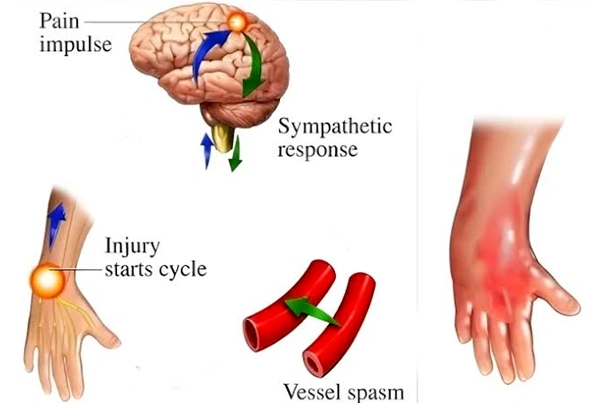
Complex Regional Pain Syndrome (CRPS) is a chronic pain condition that usually develops after an injury, surgery, fracture, or trauma to an arm or leg. The pain experienced in CRPS is often much more severe and prolonged than expected for the original injury. It may be accompanied by swelling, skin color changes, temperature differences, stiffness, and reduced movement, making everyday activities difficult.
If you are searching for Complex Regional Pain Syndrome (CRPS) treatment in Mayur Vihar, Dr. Abhimanyu Rana provides advanced, evidence-based pain management solutions designed to relieve pain, improve mobility, and restore quality of life. With expertise in Chronic Pain Management and Palliative Care, Dr. Rana develops personalized treatment plans using modern medications, rehabilitation techniques, and minimally invasive interventional pain procedures.
What is Complex Regional Pain Syndrome (CRPS)?
Complex Regional Pain Syndrome is a chronic neurological pain disorder affecting the limbs after an injury or medical procedure. The exact cause is not completely understood, but it is believed to result from abnormal responses of the peripheral and central nervous systems, leading to persistent pain and inflammation.
There are two recognized types:
- CRPS Type I – Develops without confirmed nerve injury and is the more common form.
- CRPS Type II – Occurs after a confirmed nerve injury.
Early diagnosis and treatment are essential because prompt intervention offers the best chance of improving symptoms and preventing long-term disability. Patients seeking Complex Regional Pain Syndrome (CRPS) treatment in Mayur Vihar benefit from comprehensive evaluation and individualized pain management strategies.
Common Symptoms of CRPS
Symptoms vary from person to person and may include:
- Severe burning or throbbing pain
- Continuous pain out of proportion to the injury
- Swelling of the affected limb
- Skin color changes (red, blue, or pale)
- Temperature changes in the affected area
- Increased sensitivity to touch (allodynia)
- Joint stiffness
- Muscle weakness
- Tremors or muscle spasms
- Reduced movement and function
Without timely treatment, symptoms may worsen and become more difficult to manage.
Causes of Complex Regional Pain Syndrome
CRPS commonly develops after:
- Bone fractures
- Surgery
- Sprains or ligament injuries
- Soft tissue trauma
- Nerve injury
- Burns
- Immobilization after injury
- Stroke (in some patients)
- Infection (rarely)
- Unknown causes in certain cases
The condition develops due to an abnormal pain response involving nerves, inflammation, and the autonomic nervous system.
Who Should Seek Treatment?
Consult a pain specialist if you experience:
- Persistent severe pain after an injury
- Burning pain lasting several weeks
- Swelling that does not improve
- Skin color or temperature changes
- Difficulty moving the affected limb
- Extreme sensitivity to touch
- Stiffness affecting daily activities
- Symptoms worsening despite routine treatment
Early treatment significantly improves the chances of recovery.
Diagnosis
Dr. Abhimanyu Rana performs a comprehensive evaluation to diagnose CRPS and rule out other conditions.
Diagnostic assessment may include:
- Detailed medical history
- Physical examination
- Neurological assessment
- Evaluation of skin temperature and color
- Range of motion assessment
- Pain sensitivity testing
- X-rays
- MRI scan (when required)
- Bone scan in selected cases
- Nerve conduction studies if nerve injury is suspected
Diagnosis is primarily based on clinical evaluation and internationally accepted diagnostic criteria.
Treatment Options
Treatment focuses on reducing pain, restoring function, and preventing long-term disability.
Medication Management
Specialized medications may be prescribed to reduce nerve pain, inflammation, muscle spasms, and improve daily functioning.
Physiotherapy and Rehabilitation
A structured rehabilitation program helps:
- Improve joint mobility
- Restore muscle strength
- Reduce stiffness
- Improve limb function
- Prevent permanent disability
Interventional Pain Procedures
Advanced minimally invasive procedures may include:
- Sympathetic nerve blocks
- Peripheral nerve blocks
- Epidural injections (selected cases)
- Radiofrequency ablation (RFA) in appropriate patients
- Image-guided pain management procedures
These interventions help interrupt abnormal pain pathways and improve functional recovery.
Lifestyle Modification
Patients receive guidance regarding:
- Gentle movement exercises
- Stress management
- Home rehabilitation
- Healthy nutrition
- Adequate sleep
- Gradual return to daily activities
Comprehensive Pain Management
Dr. Rana combines medications, rehabilitation, minimally invasive interventions, and patient education to achieve long-term pain relief and improved quality of life.
Benefits of Early Treatment
Choosing Complex Regional Pain Syndrome (CRPS) treatment in Mayur Vihar offers several advantages:
- Significant pain reduction
- Improved limb function
- Better mobility
- Reduced swelling
- Improved muscle strength
- Prevention of long-term disability
- Better sleep quality
- Improved emotional well-being
- Faster recovery
- Enhanced quality of life
Why Choose Dr. Abhimanyu Rana?
Dr. Abhimanyu Rana is a renowned specialist in Chronic Pain Management and Palliative Care, dedicated to delivering compassionate, evidence-based treatment for complex chronic pain disorders.
Expertise
- Chronic Pain Management
- Neuropathic Pain Treatment
- CRPS management
- Image-guided interventional pain procedures
- Personalized patient-centered care
Education & Qualifications
- EFIC® Certificate in Pain Medicine Knowledge
- European Pain Federation (EFIC®), Brussels
- Certified in November 2022
- Specialized training in Pain Medicine
- Continuous education in advanced pain management techniques
Areas of Interest
- Chronic Pain Management
- Neuropathic Pain Treatment
- Musculoskeletal Pain Management
- Cancer Pain Management
- Palliative Care
- Symptom Management
Recovery and Prevention Tips
Patients can improve recovery by:
- Starting treatment as early as possible
- Performing physiotherapy regularly
- Keeping the affected limb active
- Following prescribed medications
- Managing stress effectively
- Eating a balanced diet
- Getting adequate sleep
- Attending regular follow-up appointments
- Avoiding prolonged immobilization
- Reporting worsening symptoms promptly
Frequently Asked Questions
1. What is Complex Regional Pain Syndrome?
CRPS is a chronic pain condition that usually develops after an injury, surgery, or trauma and causes severe, persistent pain with changes in skin color, temperature, and swelling.
2. What causes CRPS?
The exact cause is not fully understood, but it is believed to involve abnormal responses of the nervous system after injury or surgery.
3. Can CRPS be cured?
Early diagnosis and treatment can significantly improve symptoms. Many patients achieve good pain control and improved function with comprehensive pain management.
4. Is physiotherapy important in CRPS?
Yes. Physiotherapy plays a key role in restoring movement, reducing stiffness, and preventing disability.
5. Are sympathetic nerve blocks effective?
Yes. Sympathetic nerve blocks are commonly used in selected CRPS patients to reduce pain and improve limb function.
6. When should I consult a pain specialist?
If severe pain, swelling, or limb changes persist after an injury or surgery, seek evaluation by a pain specialist as early treatment provides the best outcomes.
7. Can CRPS spread to other parts of the body?
In some patients, symptoms may spread, although this is uncommon. Regular follow-up and timely treatment help reduce complications.
8. Why is early treatment important?
Early intervention can reduce pain, improve recovery, restore mobility, and decrease the risk of permanent disability.


