

Phantom Limb Pain
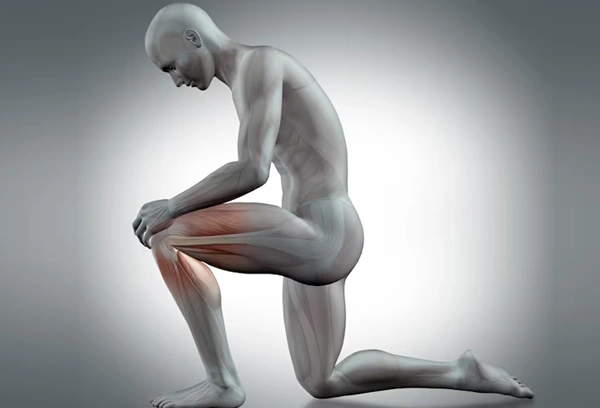
Phantom Limb Pain (PLP) is a chronic pain condition experienced by many individuals after the amputation of an arm, leg, hand, or foot. Even though the limb has been removed, the brain and nerves continue to send pain signals, causing sensations such as burning, stabbing, cramping, tingling, or electric shock-like pain in the missing limb. This condition can significantly affect mobility, emotional well-being, sleep, and overall quality of life.
If you are searching for Phantom Limb Pain treatment in Mayur Vihar, Dr. Abhimanyu Rana provides advanced, evidence-based pain management solutions designed to reduce nerve pain, improve function, and enhance quality of life. With expertise in Chronic Pain Management and Palliative Care, Dr. Rana develops personalized treatment plans using modern medications, interventional pain procedures, rehabilitation, and supportive therapies.
What is Phantom Limb Pain?
Phantom Limb Pain is a type of neuropathic pain that occurs after limb amputation. Although the affected limb is no longer present, the nerves, spinal cord, and brain continue to process pain signals from the missing body part. This abnormal nerve signaling can produce persistent or intermittent pain that feels as though it is coming from the amputated limb.
Phantom Limb Pain is different from phantom limb sensation, which refers to non-painful feelings such as movement, itching, or pressure in the missing limb. Early diagnosis and treatment are important to improve comfort and prevent chronic pain. Patients seeking Phantom Limb Pain treatment in Mayur Vihar benefit from comprehensive evaluation and individualized pain management strategies provided by Dr. Abhimanyu Rana.
Common Symptoms of Phantom Limb Pain
Symptoms may vary in intensity and frequency but commonly include:
- Burning pain in the missing limb
- Sharp or stabbing pain
- Electric shock-like sensations
- Cramping pain
- Throbbing discomfort
- Tingling or pins-and-needles sensation
- Pain triggered by emotional stress
- Pain worsening during cold weather
- Intermittent or continuous pain
- Sleep disturbances due to chronic pain
The pain may begin soon after amputation or develop weeks to months later.
Causes of Phantom Limb Pain
The exact cause is complex and involves changes in the nervous system. Common contributing factors include:
- Nerve damage following amputation
- Abnormal nerve signaling
- Brain and spinal cord reorganization
- Neuroma formation
- Residual limb pain
- Infection after surgery
- Emotional stress
- Poor prosthetic fitting
- Previous chronic pain before amputation
- Scar tissue formation
Understanding these factors helps create a targeted and effective treatment plan.
Who Should Seek Treatment?
You should consult a pain specialist if you experience:
- Persistent pain after amputation
- Burning or stabbing sensations in the missing limb
- Difficulty sleeping due to pain
- Pain interfering with prosthetic use
- Emotional distress caused by chronic pain
- Pain not responding to medications
- Recurrent severe pain episodes
- Reduced quality of life
Early treatment can improve symptom control and support rehabilitation.
Diagnosis
Dr. Abhimanyu Rana performs a detailed assessment to evaluate Phantom Limb Pain and rule out other causes such as residual limb pain or infection.
Diagnostic evaluation may include:
- Detailed medical history
- Physical examination
- Assessment of the residual limb
- Neurological examination
- Evaluation of prosthetic fit
- Pain intensity assessment
- Imaging studies when clinically indicated
- Assessment for neuroma or other post-surgical complications
A comprehensive evaluation helps determine the most appropriate treatment strategy.
Treatment Options
Treatment is individualized according to the patient's symptoms and functional goals.
Medication Management
Specialized medications may be prescribed to reduce neuropathic pain, improve sleep, and enhance daily functioning.
Physiotherapy and Rehabilitation
A rehabilitation program may include:
- Strengthening exercises
- Stretching exercises
- Prosthetic training
- Desensitization techniques
- Functional mobility training
These therapies help improve physical function and adaptation after amputation.
Interventional Pain Procedures
Advanced minimally invasive procedures may include:
- Peripheral nerve blocks
- Neuroma injections
- Sympathetic nerve blocks
- Image-guided pain management procedures
- Radiofrequency ablation (selected cases)
These interventions help reduce abnormal nerve signaling and provide long-term pain relief in suitable patients.
Lifestyle Modification
Patients receive guidance regarding:
- Stress management
- Proper prosthetic care
- sleep habits
- Regular exercise
- Healthy nutrition
- Emotional support and counseling when needed
Comprehensive Pain Management
Dr. Rana combines medications, rehabilitation, interventional procedures, psychological support, and patient education to achieve long-term pain relief and improve overall well-being.
Benefits of Early Treatment
Choosing Phantom Limb Pain treatment in Mayur Vihar offers several benefits:
- Reduced nerve pain
- Improved prosthetic use
- Better mobility
- Enhanced sleep quality
- Reduced dependence on pain medications
- Improved emotional well-being
- Better daily functioning
- Increased independence
- Improved rehabilitation outcomes
- Enhanced quality of life
Why Choose Dr. Abhimanyu Rana?
Dr. Abhimanyu Rana is a renowned specialist in Chronic Pain Management and Palliative Care, dedicated to providing compassionate, evidence-based care for patients with complex neuropathic pain conditions.
Expertise
- Chronic Pain Management
- Neuropathic Pain Treatment
- Post-amputation pain management
- Image-guided interventional pain procedures
- Personalized patient-centered care
Education & Qualifications
- EFIC® Certificate in Pain Medicine Knowledge
- European Pain Federation (EFIC®), Brussels
- Certified in November 2022
- Specialized training in Pain Medicine
- Continuous education in advanced pain management techniques
Areas of Interest
- Chronic Pain Management
- Neuropathic Pain Treatment
- Musculoskeletal Pain Management
- Cancer Pain Management
- Palliative Care
- Symptom Management
Recovery and Prevention Tips
Patients can improve recovery by:
- Following the prescribed rehabilitation program
- Using prosthetic devices correctly
- Performing regular exercises
- Taking medications as directed
- Managing stress effectively
- Maintaining healthy sleep habits
- Attending routine follow-up appointments
- Caring for the residual limb properly
- Seeking emotional support when needed
- Reporting new or worsening pain promptly
Frequently Asked Questions
1. What is Phantom Limb Pain?
Phantom Limb Pain is pain that feels as though it comes from an amputated limb due to changes in the nerves, spinal cord, and brain.
2. Is Phantom Limb Pain common?
Yes. Many individuals experience Phantom Limb Pain after limb amputation, although the severity varies from person to person.
3. How is Phantom Limb Pain different from phantom limb sensation?
Phantom limb sensation is a non-painful feeling that the missing limb is still present, while Phantom Limb Pain involves painful sensations.
4. Can Phantom Limb Pain be treated?
Yes. Most patients experience significant improvement with medications, rehabilitation, and advanced interventional pain management techniques.
5. Are nerve blocks effective?
Yes. Image-guided nerve blocks may help reduce pain in selected patients suffering from Phantom Limb Pain.
6. Can stress worsen Phantom Limb Pain?
Yes. Emotional stress, anxiety, and poor sleep may increase the intensity or frequency of pain episodes.
7. When should I consult a pain specialist?
If persistent pain after amputation affects sleep, mobility, prosthetic use, or daily life, consult a pain specialist promptly.
8. Why is early treatment important?
Early treatment helps reduce chronic pain, improve rehabilitation outcomes, enhance prosthetic use, and improve overall quality of life.


