

Knee Osteoarthritis
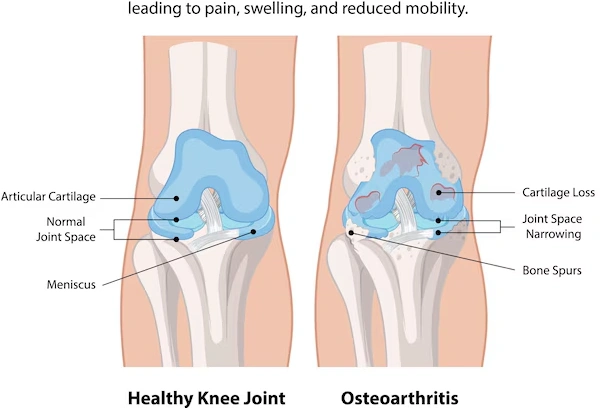
Knee Osteoarthritis is one of the most common joint disorders, caused by the gradual wear and tear of the protective cartilage in the knee joint. As the cartilage breaks down, the bones rub against each other, leading to pain, stiffness, swelling, and reduced mobility. The condition can make everyday activities such as walking, climbing stairs, standing for long periods, or getting up from a chair increasingly difficult.
If you are looking for Knee Osteoarthritis treatment in Mayur Vihar, Dr. Abhimanyu Rana offers comprehensive, evidence-based pain management solutions to relieve knee pain, improve joint function, and enhance quality of life. With expertise in Chronic Pain Management and Palliative Care, Dr. Rana provides personalized treatment plans that combine advanced pain management techniques, rehabilitation, and lifestyle modifications to help patients stay active.
What is Knee Osteoarthritis?
Knee Osteoarthritis is a degenerative joint disease in which the cartilage cushioning the ends of the bones gradually wears away. As the condition progresses, inflammation, bone spurs (osteophytes), and joint stiffness may develop, causing chronic pain and restricted movement.
Although osteoarthritis commonly affects older adults, it can also occur in younger individuals due to previous injuries, obesity, repetitive stress, or genetic factors. Early diagnosis and treatment help slow disease progression and reduce pain. Patients seeking Knee Osteoarthritis treatment in Mayur Vihar benefit from a thorough evaluation and individualized treatment approach.
Common Symptoms of Knee Osteoarthritis
Symptoms often develop gradually and may include:
- Knee pain during movement
- Morning stiffness
- Swelling around the knee joint
- Reduced range of motion
- Difficulty climbing stairs
- Pain while standing or walking
- Grinding or clicking sensation in the knee
- Knee weakness or instability
- Difficulty getting up from a chair
- Reduced ability to perform daily activities
Symptoms usually worsen over time without appropriate treatment.
Causes of Knee Osteoarthritis
Common causes and risk factors include:
- Age-related cartilage degeneration
- Obesity
- Previous knee injuries
- Repetitive stress on the knee joint
- Family history of osteoarthritis
- Joint deformities
- Weak surrounding muscles
- Sedentary lifestyle
- Inflammatory joint conditions
- Metabolic disorders
Identifying contributing factors helps guide long-term treatment and prevention.
Who Should Seek Treatment?
You should consult a pain specialist if you experience:
- Persistent knee pain
- Morning stiffness lasting more than 30 minutes
- Difficulty walking
- Swelling in the knee
- Pain while climbing stairs
- Reduced knee movement
- Knee instability
- Symptoms affecting daily activities
- Poor relief with routine medications
Early treatment helps preserve joint function and improve mobility.
Diagnosis
Dr. Abhimanyu Rana performs a comprehensive evaluation to determine the severity of knee osteoarthritis and develop an individualized treatment plan.
Diagnostic assessment may include:
- Detailed medical history
- Physical examination
- Knee joint evaluation
- Range of motion assessment
- Gait analysis
- X-rays
- MRI scan (when required)
- Evaluation of joint stability
- Functional assessment
A detailed diagnosis helps identify the stage of osteoarthritis and the most effective treatment options.
Treatment Options
Treatment focuses on reducing pain, improving mobility, and maintaining knee function.
Medication Management
Appropriate medications may be prescribed to reduce pain and inflammation while improving daily comfort.
Physiotherapy
A personalized rehabilitation program helps:
- Strengthen muscles around the knee
- Improve flexibility
- Increase joint stability
- Improve walking ability
- Reduce stiffness
Interventional Pain Procedures
Advanced minimally invasive procedures may include:
- Genicular nerve blocks
- Radiofrequency ablation (RFA) of genicular nerves
- Intra-articular injections
- Image-guided pain management procedures
These procedures can provide significant pain relief and improve joint function in selected patients.
Lifestyle Modification
Patients receive guidance regarding:
- Weight management
- Low-impact exercises
- Knee-strengthening exercises
- Proper footwear
- Activity modification
- Joint protection techniques
Comprehensive Pain Management
Dr. Rana combines medication, rehabilitation, interventional pain procedures, and lifestyle counseling to help patients achieve long-term pain relief and maintain an active lifestyle.
Benefits of Early Treatment
Choosing Knee Osteoarthritis treatment in Mayur Vihar offers several benefits:
- Reduced knee pain
- Improved joint mobility
- Better walking ability
- Reduced stiffness
- Increased muscle strength
- Delayed disease progression
- Better daily functioning
- Reduced dependence on pain medications
- Improved quality of life
- Enhanced long-term joint health
Why Choose Dr. Abhimanyu Rana?
Dr. Abhimanyu Rana is a renowned specialist in Chronic Pain Management and Palliative Care, dedicated to delivering compassionate, evidence-based treatment for chronic musculoskeletal and joint pain conditions.
Expertise
- Chronic Pain Management
- Musculoskeletal Pain Treatment
- Knee pain management
- Image-guided interventional pain procedures
- Personalized patient-centered care
Education & Qualifications
- EFIC® Certificate in Pain Medicine Knowledge
- European Pain Federation (EFIC®), Brussels
- Certified in November 2022
- Specialized training in Pain Medicine
- Continuous education in advanced pain management techniques
Areas of Interest
- Chronic Pain Management
- Musculoskeletal Pain Management
- Neuropathic Pain Treatment
- Cancer Pain Management
- Palliative Care
- Symptom Management
Recovery and Prevention Tips
Patients can improve knee health by:
- Maintaining a healthy body weight
- Exercising regularly
- Strengthening thigh and leg muscles
- Avoiding excessive strain on the knees
- Wearing supportive footwear
- Following prescribed physiotherapy
- Taking medications as advised
- Staying physically active
- Attending regular follow-up appointments
- Seeking early treatment for worsening symptoms
Frequently Asked Questions
1. What is Knee Osteoarthritis?
Knee Osteoarthritis is a degenerative joint disease caused by gradual loss of cartilage, leading to pain, stiffness, and reduced mobility.
2. What causes Knee Osteoarthritis?
Common causes include aging, obesity, previous knee injuries, repetitive joint stress, and genetic factors.
3. Can Knee Osteoarthritis be treated without surgery?
Yes. Many patients benefit from medications, physiotherapy, lifestyle modifications, and minimally invasive interventional pain procedures.
4. What is a genicular nerve block?
A genicular nerve block is an image-guided procedure that temporarily blocks pain signals from the nerves supplying the knee.
5. Is Radiofrequency Ablation (RFA) effective?
Yes. RFA of the genicular nerves can provide long-lasting pain relief in carefully selected patients with chronic knee osteoarthritis.
6. Can weight loss help?
Yes. Losing excess weight reduces pressure on the knee joints and can significantly improve pain and mobility.
7. When should I consult a pain specialist?
If knee pain persists, limits daily activities, or does not improve with routine treatment, consult a pain specialist promptly.
8. Why is early treatment important?
Early treatment helps reduce pain, preserve joint function, improve mobility, and delay disease progression.


