

Shoulder Pain
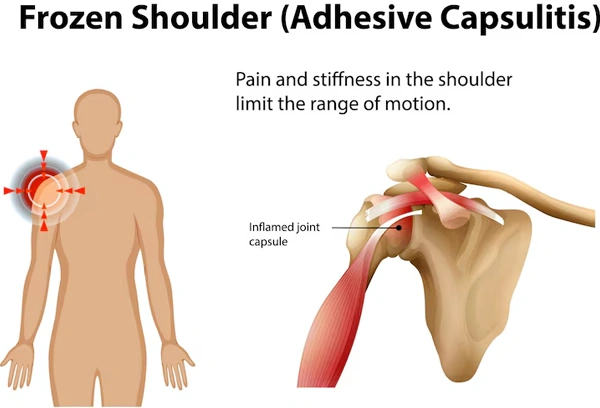
Shoulder pain is a common musculoskeletal condition that can significantly affect your ability to perform everyday activities such as lifting objects, dressing, driving, or sleeping comfortably. Among the most common causes of chronic shoulder pain are Frozen Shoulder (Adhesive Capsulitis) and Rotator Cuff Disorders, both of which can lead to pain, stiffness, weakness, and restricted shoulder movement.
If you are looking for Shoulder Pain treatment in Mayur Vihar, Dr. Abhimanyu Rana offers advanced, evidence-based pain management solutions designed to relieve pain, restore mobility, and improve shoulder function. With expertise in Chronic Pain Management and Palliative Care, Dr. Rana provides personalized treatment plans using modern diagnostic techniques, rehabilitation programs, and minimally invasive interventional pain procedures.
What is Shoulder Pain?
The shoulder is one of the most mobile joints in the body, making it vulnerable to injuries and degenerative conditions.
Frozen Shoulder develops when the shoulder capsule becomes inflamed and stiff, gradually limiting movement.
Rotator Cuff Disorders involve injury or degeneration of the tendons and muscles that stabilize the shoulder joint. These may include tendon inflammation, partial tears, complete tears, or impingement syndrome.
Early diagnosis and treatment can prevent long-term stiffness and permanent loss of shoulder function. Patients seeking Shoulder Pain treatment in Mayur Vihar benefit from comprehensive evaluation and individualized pain management.
Common Symptoms of Shoulder Pain
Symptoms may include:
- Shoulder pain during movement
- Pain while lifting the arm
- Shoulder stiffness
- Limited range of motion
- Pain during sleep
- Weakness of the shoulder
- Difficulty reaching overhead
- Pain while dressing or combing hair
- Clicking or grinding sensation
- Reduced ability to perform daily activities
Symptoms often worsen without timely treatment.
Causes of Shoulder Pain
Common causes include:
- Frozen Shoulder (Adhesive Capsulitis)
- Rotator cuff tendonitis
- Rotator cuff tears
- Shoulder impingement syndrome
- Arthritis of the shoulder joint
- Previous shoulder injuries
- Repetitive overhead activities
- Diabetes (increases frozen shoulder risk)
- Poor posture
- Age-related tendon degeneration
Identifying the underlying cause is essential for effective treatment.
Who Should Seek Treatment?
Consult a pain specialist if you experience:
- Persistent shoulder pain
- Difficulty lifting the arm
- Shoulder stiffness
- Pain disturbing sleep
- Weakness in the shoulder
- Reduced shoulder movement
- Difficulty performing daily activities
- Symptoms not improving with rest or medications
Early intervention improves recovery and helps prevent permanent joint stiffness.
Diagnosis
Dr. Abhimanyu Rana performs a comprehensive evaluation to determine the exact cause of shoulder pain.
Diagnostic assessment may include:
- Detailed medical history
- Physical examination
- Shoulder mobility assessment
- Muscle strength testing
- Rotator cuff evaluation
- X-rays
- Ultrasound
- MRI scan (when required)
- Functional assessment
Accurate diagnosis allows the development of an individualized treatment plan.
Treatment Options
Treatment depends on the severity of symptoms and the underlying condition.
Medication Management
Appropriate medications may be prescribed to reduce pain and inflammation while improving daily comfort.
Physiotherapy
A structured rehabilitation program helps:
- Restore shoulder mobility
- Improve flexibility
- Strengthen shoulder muscles
- Reduce stiffness
- Improve joint function
Interventional Pain Procedures
Advanced minimally invasive procedures may include:
- Shoulder joint injections
- Suprascapular nerve block
- Hydrodilatation for Frozen Shoulder (selected cases)
- Radiofrequency ablation (RFA) in appropriate patients
- Image-guided pain management procedures
These interventions help reduce pain, improve movement, and support rehabilitation.
Lifestyle Modification
Patients receive guidance regarding:
- Posture correction
- Shoulder stretching exercises
- Activity modification
- Ergonomic adjustments
- Weight management
- Home exercise programs
Comprehensive Pain Management
Dr. Rana combines medication, physiotherapy, minimally invasive interventions, and patient education to achieve long-term pain relief and restore shoulder function.
Benefits of Early Treatment
Choosing Shoulder Pain treatment in Mayur Vihar offers several advantages:
- Reduced shoulder pain
- Improved shoulder mobility
- Better muscle strength
- Increased flexibility
- Improved sleep quality
- Better performance of daily activities
- Reduced dependence on pain medications
- Prevention of permanent stiffness
- Faster recovery
- Improved quality of life
Why Choose Dr. Abhimanyu Rana?
Dr. Abhimanyu Rana is a renowned specialist in Chronic Pain Management and Palliative Care, committed to providing compassionate, evidence-based treatment for chronic musculoskeletal pain conditions.
Expertise
- Chronic Pain Management
- Musculoskeletal Pain Treatment
- Shoulder pain management
- Image-guided interventional pain procedures
- Personalized patient-centered care
Education & Qualifications
- EFIC® Certificate in Pain Medicine Knowledge
- European Pain Federation (EFIC®), Brussels
- Certified in November 2022
- Specialized training in Pain Medicine
- Continuous education in advanced pain management techniques
Areas of Interest
- Chronic Pain Management
- Musculoskeletal Pain Management
- Neuropathic Pain Treatment
- Cancer Pain Management
- Palliative Care
- Symptom Management
Recovery and Prevention Tips
Patients can improve recovery by:
- Performing regular shoulder exercises
- Following physiotherapy recommendations
- Maintaining good posture
- Avoiding repetitive overhead activities
- Strengthening shoulder muscles
- Managing diabetes effectively
- Taking medications as prescribed
- Attending scheduled follow-up appointments
- Using proper lifting techniques
- Seeking treatment early when symptoms develop
Frequently Asked Questions
1. What is Frozen Shoulder?
Frozen Shoulder is a condition in which the shoulder capsule becomes stiff and inflamed, leading to pain and restricted movement.
2. What are Rotator Cuff Disorders?
Rotator cuff disorders include tendon inflammation, tears, and impingement affecting the muscles and tendons that stabilize the shoulder.
3. Can shoulder pain be treated without surgery?
Yes. Most patients improve with medications, physiotherapy, lifestyle modifications, and minimally invasive interventional pain procedures.
4. What is a suprascapular nerve block?
A suprascapular nerve block is an image-guided procedure that helps reduce shoulder pain and improve mobility.
5. Is physiotherapy important?
Yes. Physiotherapy plays a crucial role in restoring movement, strengthening muscles, and preventing stiffness.
6. Who is more likely to develop Frozen Shoulder?
People with diabetes, previous shoulder injuries, prolonged shoulder immobilization, and adults between 40–60 years are at increased risk.
7. When should I consult a pain specialist?
If shoulder pain persists, restricts movement, affects sleep, or interferes with daily activities, consult a pain specialist promptly.
8. Why is early treatment important?
Early treatment helps reduce pain, restore mobility, prevent permanent stiffness, and improve long-term shoulder function.


