

Sacroiliac Joint Pain
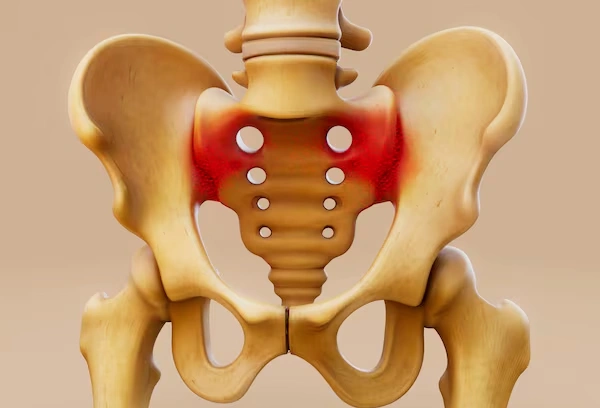
Sacroiliac (SI) Joint Pain is a common cause of chronic lower back, buttock, and hip pain. The sacroiliac joints connect the spine to the pelvis and play a vital role in supporting body weight while allowing smooth movement during walking, standing, and bending. When these joints become inflamed, injured, or dysfunctional, they can cause persistent pain that affects mobility and daily activities.
If you are searching for Sacroiliac (SI) Joint Pain treatment in Mayur Vihar, Dr. Abhimanyu Rana offers advanced, evidence-based pain management solutions to relieve pain, restore function, and improve quality of life. With expertise in Chronic Pain Management and Palliative Care, Dr. Rana provides personalized treatment plans using modern diagnostic methods, minimally invasive interventional pain procedures, rehabilitation, and lifestyle modifications.
What is Sacroiliac (SI) Joint Pain?
The sacroiliac joints are located where the sacrum (the triangular bone at the base of the spine) meets the iliac bones of the pelvis. These joints absorb shock and transfer weight between the upper body and legs.
SI joint pain develops when the joint becomes inflamed, unstable, or experiences abnormal movement. The pain is often mistaken for lumbar spine disorders or sciatica because symptoms can radiate to the buttocks, hips, groin, or thighs.
Early diagnosis is important because SI joint dysfunction responds well to targeted pain management. Patients seeking Sacroiliac (SI) Joint Pain treatment in Mayur Vihar benefit from comprehensive evaluation and individualized care.
Common Symptoms of Sacroiliac (SI) Joint Pain
Symptoms may include:
- Lower back pain
- Pain in one or both buttocks
- Hip pain
- Pain radiating to the groin
- Pain extending to the thigh
- Difficulty standing for long periods
- Pain while climbing stairs
- Stiffness in the lower back
- Pain while turning in bed
- Increased pain after prolonged sitting or walking
Symptoms often worsen with weight-bearing activities and improve with rest.
Causes of Sacroiliac (SI) Joint Pain
Common causes include:
- Degenerative arthritis
- Pregnancy-related ligament changes
- Trauma or falls
- Sports injuries
- Repetitive strain
- Leg length differences
- Previous spinal surgery
- Ankylosing spondylitis
- Poor posture
- Abnormal gait mechanics
Identifying the underlying cause is essential for successful long-term treatment.
Who Should Seek Treatment?
Consult a pain specialist if you experience:
- Persistent lower back pain
- Buttock pain
- Hip pain without hip joint disease
- Pain while standing or walking
- Difficulty climbing stairs
- Pain that radiates to the groin or thigh
- Symptoms affecting daily activities
- Poor relief with routine medications
Early treatment helps improve mobility and prevents chronic pain.
Diagnosis
Dr. Abhimanyu Rana performs a detailed evaluation to identify SI joint dysfunction and exclude other causes of lower back pain.
Diagnostic assessment may include:
- Detailed medical history
- Physical examination
- SI joint provocation tests
- Gait assessment
- Range of motion evaluation
- X-rays
- MRI scan (when indicated)
- CT scan (if required)
- Diagnostic SI joint injection
Diagnostic injections help confirm whether the SI joint is the primary source of pain.
Treatment Options
Treatment focuses on relieving pain, restoring stability, and improving mobility.
Medication Management
Appropriate medications may be prescribed to reduce pain and inflammation while improving daily comfort.
Physiotherapy
A structured rehabilitation program helps:
- Strengthen core muscles
- Improve pelvic stability
- Increase flexibility
- Correct posture
- Improve movement patterns
Interventional Pain Procedures
Advanced minimally invasive procedures may include:
- Image-guided SI joint injections
- Sacroiliac joint nerve blocks
- Radiofrequency Ablation (RFA) of SI joint nerves
- Image-guided pain management procedures
These treatments help reduce inflammation and provide long-lasting pain relief in selected patients.
Lifestyle Modification
Patients receive guidance regarding:
- Maintaining proper posture
- Weight management
- Regular low-impact exercise
- Core strengthening
- Activity modification
- Ergonomic improvements
Comprehensive Pain Management
Dr. Rana combines medications, physiotherapy, minimally invasive procedures, and lifestyle counseling to provide long-term relief and restore function.
Benefits of Early Treatment
Choosing Sacroiliac (SI) Joint Pain treatment in Mayur Vihar offers several benefits:
- Reduced lower back pain
- Improved hip and pelvic function
- Better mobility
- Increased joint stability
- Reduced inflammation
- Improved posture
- Better daily functioning
- Reduced dependence on pain medications
- Enhanced quality of life
- Prevention of chronic pain progression
Why Choose Dr. Abhimanyu Rana?
Dr. Abhimanyu Rana is a renowned specialist in Chronic Pain Management and Palliative Care, dedicated to providing compassionate, evidence-based care for spinal and joint pain disorders.
Expertise
- Chronic Pain Management
- Musculoskeletal Pain Treatment
- Sacroiliac Joint Pain management
- Image-guided interventional pain procedures
- Personalized patient-centered care
Education & Qualifications
- EFIC® Certificate in Pain Medicine Knowledge
- European Pain Federation (EFIC®), Brussels
- Certified in November 2022
- Specialized training in Pain Medicine
- Continuous education in advanced pain management techniques
Areas of Interest
- Chronic Pain Management
- Musculoskeletal Pain Management
- Neuropathic Pain Treatment
- Cancer Pain Management
- Palliative Care
- Symptom Management
Recovery and Prevention Tips
Patients can improve recovery and reduce recurrence by:
- Strengthening core muscles
- Maintaining good posture
- Exercising regularly
- Managing body weight
- Avoiding prolonged sitting
- Using proper lifting techniques
- Following physiotherapy recommendations
- Taking medications as prescribed
- Attending regular follow-up appointments
- Seeking early treatment if symptoms worsen
Frequently Asked Questions
1. What is Sacroiliac (SI) Joint Pain?
SI Joint Pain is pain arising from the joints connecting the spine and pelvis, commonly causing lower back, buttock, and hip pain.
2. What causes SI Joint Pain?
Common causes include arthritis, injury, pregnancy, repetitive strain, previous spinal surgery, and abnormal joint movement.
3. How is SI Joint Pain diagnosed?
Diagnosis involves a physical examination, imaging studies when required, and diagnostic SI joint injections to confirm the source of pain.
4. Are SI joint injections effective?
Yes. Image-guided SI joint injections can reduce inflammation, relieve pain, and improve mobility in many patients.
5. Can physiotherapy help?
Yes. Physiotherapy strengthens supporting muscles, improves stability, and reduces stress on the sacroiliac joints.
6. Is surgery always necessary?
No. Most patients respond well to conservative treatment and minimally invasive interventional pain procedures.
7. When should I consult a pain specialist?
If lower back or buttock pain persists despite routine treatment or interferes with daily activities, consult a pain specialist promptly.
8. Why is early treatment important?
Early treatment helps reduce pain, improve function, prevent chronic disability, and enhance overall quality of life.


