

Cluster Headache
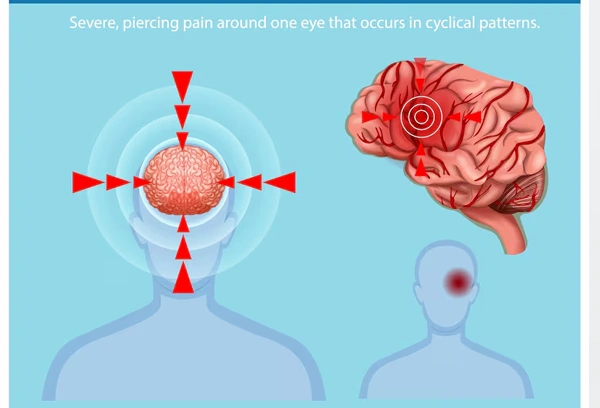
Cluster Headache is one of the most severe forms of headache disorders, causing intense, piercing pain typically around one eye or one side of the head. The attacks occur in recurring cycles or "clusters," often happening several times a day for weeks or months, followed by periods of remission. Due to the intensity of pain, cluster headaches can significantly affect daily activities, sleep, work performance, and overall quality of life.
If you are searching for Cluster Headache treatment in Mayur Vihar, Dr. Abhimanyu Rana offers advanced, evidence-based pain management solutions designed to reduce the frequency and severity of headache attacks. With expertise in Chronic Pain Management and Palliative Care, Dr. Rana provides personalized treatment plans that combine medications, minimally invasive interventional pain procedures, lifestyle modifications, and long-term headache management strategies.
What is Cluster Headache?
Cluster Headache is a neurological headache disorder characterized by repeated attacks of extremely severe pain, usually affecting one side of the face around the eye, temple, or forehead. The pain is often described as burning, stabbing, or piercing and is commonly associated with tearing of the eye, nasal congestion, facial sweating, and redness of the affected eye.
Unlike migraines, cluster headaches usually occur at the same time each day and often wake patients from sleep. Early diagnosis and treatment are essential to reduce attack frequency and improve quality of life. Patients seeking Cluster Headache treatment in Mayur Vihar benefit from a comprehensive evaluation and individualized treatment approach.
Common Symptoms of Cluster Headache
Symptoms may include:
- Severe pain around one eye
- Pain on one side of the head
- Burning or stabbing headache
- Redness of the affected eye
- Excessive tearing
- Nasal congestion or runny nose
- Drooping eyelid
- Facial sweating
- Restlessness during attacks
- Recurrent headache episodes occurring in clusters
Each headache episode typically lasts between 15 minutes and 3 hours.
Causes of Cluster Headache
The exact cause is not fully understood, but several factors are associated with cluster headaches, including:
- Abnormal activity in the hypothalamus
- Family history
- Smoking
- Alcohol consumption during cluster periods
- Strong odors
- Bright lights
- Sleep disturbances
- Seasonal changes
- Certain medications
- Environmental triggers
Avoiding known triggers may help reduce the frequency of attacks.
Who Should Seek Treatment?
Consult a pain specialist if you experience:
- Severe one-sided headaches
- Recurrent headache attacks
- Pain around one eye
- Headaches occurring at the same time daily
- Eye redness with headache
- Nasal congestion during headaches
- Headaches affecting sleep
- Poor response to routine pain medications
Early treatment helps improve symptom control and reduces disability.
Diagnosis
Dr. Abhimanyu Rana performs a detailed assessment to accurately diagnose cluster headaches and rule out other neurological conditions.
Diagnostic evaluation may include:
- Detailed medical history
- Physical examination
- Neurological examination
- Headache pattern assessment
- Trigger evaluation
- MRI or CT scan when indicated
- Functional assessment
- Review of previous headache treatments
A thorough evaluation helps identify the most effective treatment plan.
Treatment Options
Treatment aims to relieve acute attacks, prevent future episodes, and improve long-term quality of life.
Medication Management
Appropriate medications may be prescribed to rapidly relieve headache attacks and prevent future cluster periods.
Oxygen Therapy
High-flow oxygen therapy is an effective treatment for many patients during acute cluster headache attacks and can provide rapid symptom relief.
Interventional Pain Procedures
Advanced minimally invasive procedures may include:
- Greater occipital nerve block
- Sphenopalatine ganglion block
- Radiofrequency procedures in selected patients
- Image-guided pain management interventions
These treatments can reduce pain intensity and attack frequency in suitable patients.
Lifestyle Modification
Patients receive guidance regarding:
- Avoiding alcohol during cluster periods
- Maintaining regular sleep patterns
- Quitting smoking
- Managing stress
- Avoiding identified headache triggers
- Following a healthy lifestyle
Comprehensive Pain Management
Dr. Rana combines medications, oxygen therapy, interventional procedures, and patient education to provide effective long-term headache management.
Benefits of Early Treatment
Choosing Cluster Headache treatment in Mayur Vihar offers several benefits:
- Faster relief from headache attacks
- Reduced attack frequency
- Less severe pain episodes
- Improved sleep quality
- Better work productivity
- Reduced dependence on pain medications
- Improved emotional well-being
- Better daily functioning
- Long-term symptom control
- Enhanced quality of life
Why Choose Dr. Abhimanyu Rana?
Dr. Abhimanyu Rana is a renowned specialist in Chronic Pain Management and Palliative Care, committed to providing compassionate, evidence-based care for severe headache and chronic pain disorders.
Expertise
- Chronic Pain Management
- Headache and facial pain management
- Neuropathic Pain Treatment
- Image-guided interventional pain procedures
- Personalized patient-centered care
Education & Qualifications
- EFIC® Certificate in Pain Medicine Knowledge
- European Pain Federation (EFIC®), Brussels
- Certified in November 2022
- Specialized training in Pain Medicine
- Continuous education in advanced pain management techniques
Areas of Interest
- Chronic Pain Management
- Neuropathic Pain Treatment
- Musculoskeletal Pain Management
- Cancer Pain Management
- Palliative Care
- Symptom Management
Recovery and Prevention Tips
Patients can reduce headache frequency by:
- Avoiding alcohol during cluster periods
- Quitting smoking
- Maintaining a regular sleep schedule
- Identifying and avoiding headache triggers
- Managing stress effectively
- Staying physically active
- Taking preventive medications as prescribed
- Attending regular follow-up appointments
- Seeking prompt treatment for recurring attacks
- Maintaining a healthy lifestyle
Frequently Asked Questions
1. What is a Cluster Headache?
Cluster Headache is a neurological disorder causing repeated episodes of extremely severe pain around one eye or one side of the head.
2. How is Cluster Headache different from Migraine?
Cluster headaches are shorter but much more intense, usually occur in cycles, and are commonly associated with eye redness, tearing, and nasal congestion.
3. What causes Cluster Headache?
The exact cause is unknown, but abnormal hypothalamic activity, smoking, alcohol, genetics, and environmental triggers are believed to contribute.
4. Is oxygen therapy effective?
Yes. High-flow oxygen therapy is one of the most effective treatments for relieving acute cluster headache attacks.
5. Are nerve blocks helpful?
Yes. Greater occipital nerve blocks and sphenopalatine ganglion blocks can reduce pain and headache frequency in selected patients.
6. Can Cluster Headache be prevented?
Although it cannot always be prevented, medications, lifestyle changes, and avoiding triggers can significantly reduce attack frequency.
7. When should I consult a pain specialist?
If you experience repeated severe one-sided headaches, especially with eye redness or tearing, seek specialist evaluation immediately.
8. Why is early treatment important?
Early treatment helps reduce attack severity, shorten cluster periods, improve daily functioning, and enhance overall quality of life.


