

Cervicogenic Headache
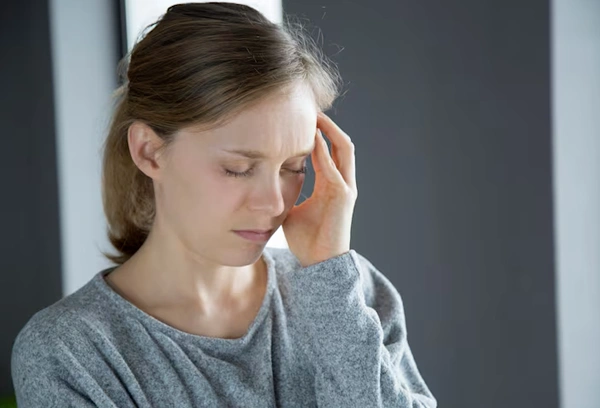
Cervicogenic Headache is a secondary headache caused by problems in the cervical spine (neck), including the joints, muscles, ligaments, or nerves. Unlike primary headaches such as migraines, cervicogenic headaches originate from the neck and the pain often radiates to the back of the head, forehead, temples, or around the eyes. Neck stiffness and reduced neck movement are common accompanying symptoms.
If you are searching for Cervicogenic Headache treatment in Mayur Vihar, Dr. Abhimanyu Rana provides comprehensive, evidence-based pain management solutions designed to relieve neck pain, reduce headache frequency, and restore normal function. With expertise in Chronic Pain Management and Palliative Care, Dr. Rana offers personalized treatment plans using advanced diagnostic techniques, minimally invasive interventional pain procedures, rehabilitation, and lifestyle modifications.
What is Cervicogenic Headache?
A Cervicogenic Headache develops when pain-sensitive structures in the neck, such as cervical facet joints, intervertebral discs, muscles, or nerves, send pain signals that are perceived as headaches. The pain usually starts in the neck and spreads to one side of the head, although it may become more widespread in some patients.
Common conditions associated with cervicogenic headaches include cervical spondylosis, whiplash injuries, poor posture, cervical disc disorders, and muscle strain. Early diagnosis is important because treating the underlying neck condition often provides significant headache relief. Patients seeking Cervicogenic Headache treatment in Mayur Vihar benefit from a thorough evaluation and individualized treatment approach.
Common Symptoms of Cervicogenic Headache
Symptoms may include:
- Headache starting from the neck
- Pain on one side of the head
- Neck pain and stiffness
- Reduced neck movement
- Pain radiating to the forehead or eye
- Shoulder pain
- Pain worsened by neck movement
- Tenderness over the neck muscles
- Difficulty maintaining posture
- Chronic recurrent headaches
Symptoms often worsen after prolonged sitting, computer work, or poor posture.
Causes of Cervicogenic Headache
Common causes include:
- Cervical spondylosis
- Cervical facet joint arthritis
- Herniated cervical disc
- Neck muscle strain
- Poor posture
- Whiplash injuries
- Degenerative cervical spine disease
- Repetitive neck movements
- Sports injuries
- Cervical nerve irritation
Identifying the exact source of neck pain helps guide targeted treatment.
Who Should Seek Treatment?
Consult a pain specialist if you experience:
- Frequent headaches associated with neck pain
- One-sided headaches
- Neck stiffness
- Headaches triggered by neck movement
- Pain radiating from the neck to the head
- Poor response to routine headache medications
- Difficulty working due to neck pain
- Chronic headaches affecting daily activities
Early treatment helps prevent persistent pain and improve neck function.
Diagnosis
Dr. Abhimanyu Rana performs a detailed evaluation to identify the underlying cervical spine condition causing the headache.
Diagnostic assessment may include:
- Detailed medical history
- Physical examination
- Neurological examination
- Cervical spine evaluation
- Neck range of motion assessment
- Postural assessment
- X-rays of the cervical spine
- MRI scan (when indicated)
- Diagnostic cervical facet joint or nerve blocks
A comprehensive diagnosis helps determine the most effective treatment strategy.
Treatment Options
Treatment focuses on addressing the underlying neck disorder while relieving headache symptoms.
Medication Management
Appropriate medications may be prescribed to reduce pain, muscle spasm, and inflammation.
Physiotherapy and Rehabilitation
A personalized rehabilitation program helps:
- Improve neck mobility
- Strengthen cervical muscles
- Correct posture
- Reduce muscle tension
- Improve flexibility
Interventional Pain Procedures
Advanced minimally invasive procedures may include:
- Cervical facet joint injections
- Medial branch nerve blocks
- Greater occipital nerve block
- Radiofrequency Ablation (RFA)
- Trigger point injections
- Image-guided pain management procedures
These treatments can provide significant pain relief and improve neck function in carefully selected patients.
Lifestyle Modification
Patients receive guidance regarding:
- Maintaining proper posture
- Ergonomic workstation setup
- Regular neck stretching exercises
- Stress management
- Avoiding prolonged neck strain
- Regular physical activity
Comprehensive Pain Management
Dr. Rana combines medications, rehabilitation, minimally invasive procedures, and patient education to provide long-term headache relief and improve overall quality of life.
Benefits of Early Treatment
Choosing Cervicogenic Headache treatment in Mayur Vihar offers several benefits:
- Reduced headache frequency
- Relief from neck pain
- Improved neck mobility
- Better posture
- Reduced muscle stiffness
- Improved work productivity
- Better sleep quality
- Reduced dependence on pain medications
- Improved daily functioning
- Enhanced quality of life
Why Choose Dr. Abhimanyu Rana?
Dr. Abhimanyu Rana is a renowned specialist in Chronic Pain Management and Palliative Care, dedicated to providing compassionate, evidence-based treatment for chronic headaches and spinal pain conditions.
Expertise
- Chronic Pain Management
- Headache and neck pain management
- Cervical spine pain treatment
- Image-guided interventional pain procedures
- Personalized patient-centered care
Education & Qualifications
- EFIC® Certificate in Pain Medicine Knowledge
- European Pain Federation (EFIC®), Brussels
- Certified in November 2022
- Specialized training in Pain Medicine
- Continuous education in advanced pain management techniques
Areas of Interest
- Chronic Pain Management
- Musculoskeletal Pain Management
- Neuropathic Pain Treatment
- Cancer Pain Management
- Palliative Care
- Symptom Management
Recovery and Prevention Tips
Patients can reduce headache recurrence by:
- Maintaining proper posture
- Performing regular neck exercises
- Using an ergonomic workstation
- Taking breaks during prolonged computer use
- Avoiding sudden neck movements
- Sleeping with proper neck support
- Managing stress effectively
- Following physiotherapy recommendations
- Attending regular follow-up appointments
- Seeking early treatment for neck pain
Frequently Asked Questions
1. What is a Cervicogenic Headache?
A Cervicogenic Headache is a headache caused by disorders of the neck, including the cervical joints, muscles, discs, or nerves.
2. How is Cervicogenic Headache different from Migraine?
Cervicogenic headaches originate from the neck and are often associated with neck stiffness and pain, whereas migraines are primary neurological headaches.
3. What causes Cervicogenic Headaches?
Common causes include cervical spondylosis, facet joint arthritis, herniated discs, poor posture, muscle strain, and neck injuries.
4. Can physiotherapy help?
Yes. Physiotherapy improves neck mobility, strengthens muscles, corrects posture, and reduces headache frequency.
5. Are cervical facet joint injections effective?
Yes. Image-guided cervical facet joint injections and medial branch nerve blocks can provide significant pain relief in selected patients.
6. What is Radiofrequency Ablation (RFA)?
RFA is a minimally invasive procedure that uses heat generated by radio waves to interrupt pain signals from affected cervical nerves, providing long-lasting relief.
7. When should I consult a pain specialist?
If headaches are associated with persistent neck pain, restricted neck movement, or poor response to routine treatment, consult a pain specialist promptly.
8. Why is early treatment important?
Early treatment helps relieve pain, improve neck function, prevent chronic disability, and enhance overall quality of life.


