

Atypical Facial Pain
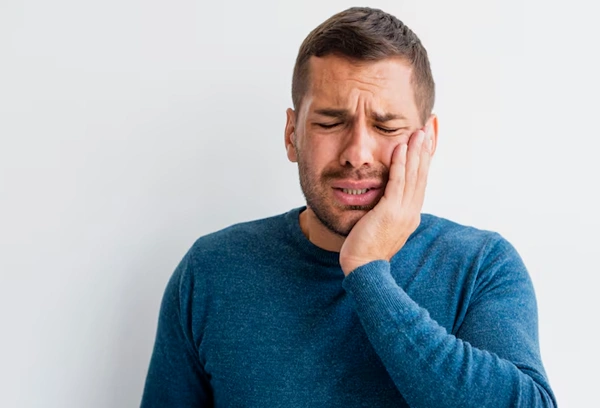
Atypical Facial Pain, also known as Persistent Idiopathic Facial Pain (PIFP), is a chronic pain condition characterized by continuous facial pain without an identifiable structural or neurological cause. Unlike trigeminal neuralgia, the pain is usually constant, poorly localized, and may involve one or multiple areas of the face. The condition can significantly affect eating, speaking, sleeping, emotional well-being, and overall quality of life.
If you are looking for Atypical Facial Pain treatment in Mayur Vihar, Dr. Abhimanyu Rana offers comprehensive, evidence-based pain management solutions designed to relieve persistent facial pain, improve daily functioning, and enhance quality of life. With expertise in Chronic Pain Management and Palliative Care, Dr. Rana provides individualized treatment plans using advanced diagnostic methods, medications, minimally invasive interventional pain procedures, and multidisciplinary care.
What is Atypical Facial Pain?
Atypical Facial Pain is a chronic facial pain disorder in which patients experience ongoing facial discomfort without evidence of dental disease, nerve compression, or other identifiable structural abnormalities. The pain may be burning, aching, dull, or throbbing and often does not follow the distribution of a specific nerve.
The condition may develop spontaneously or after dental procedures, facial trauma, or surgery, although the exact cause remains unclear. Early diagnosis is essential to exclude other facial pain disorders and initiate appropriate treatment. Patients seeking Atypical Facial Pain treatment in Mayur Vihar benefit from a thorough clinical evaluation and personalized pain management approach.
Common Symptoms of Atypical Facial Pain
Symptoms may include:
- Persistent facial pain
- Burning sensation in the face
- Dull aching facial discomfort
- Pain affecting one side of the face
- Poorly localized facial pain
- Pain that persists throughout the day
- Facial tenderness
- Discomfort while chewing or talking
- Sleep disturbances due to pain
- Emotional distress caused by chronic pain
Symptoms often fluctuate in intensity but may persist for months or years without treatment.
Causes of Atypical Facial Pain
The exact cause is not fully understood, but possible contributing factors include:
- Dysfunction of pain processing pathways
- Previous dental procedures
- Facial trauma
- Nerve irritation
- Emotional stress
- Anxiety and depression
- Minor facial surgery
- Central nervous system sensitization
- Psychological factors
- Idiopathic (unknown) causes
Accurate diagnosis is important because treatment differs from other facial pain disorders.
Who Should Seek Treatment?
Consult a pain specialist if you experience:
- Persistent facial pain lasting several weeks or months
- Facial pain without a dental cause
- Burning or aching facial discomfort
- Pain affecting daily activities
- Pain interfering with sleep
- Poor response to routine pain medications
- Recurrent facial pain despite normal investigations
- Chronic unexplained facial pain
Early treatment improves pain control and quality of life.
Diagnosis
Dr. Abhimanyu Rana performs a comprehensive assessment to identify the cause of facial pain and rule out other neurological or dental conditions.
Diagnostic assessment may include:
- Detailed medical history
- Physical examination
- Neurological examination
- Cranial nerve assessment
- Dental evaluation (when required)
- MRI scan (if indicated)
- CT scan (when necessary)
- Pain pattern assessment
- Functional evaluation
A detailed evaluation helps distinguish atypical facial pain from trigeminal neuralgia, temporomandibular joint disorders, dental pain, and other facial pain syndromes.
Treatment Options
Treatment focuses on reducing pain, improving function, and enhancing overall well-being.
Medication Management
Specialized medications may be prescribed to control chronic nerve-related facial pain and improve daily comfort.
Psychological Support
Stress management, counseling, and cognitive behavioral therapy may be recommended to help patients cope with chronic pain and improve emotional well-being.
Interventional Pain Procedures
Advanced minimally invasive procedures may include:
- Peripheral nerve blocks
- Trigger point injections (when indicated)
- Image-guided pain management procedures
- Neuromodulation techniques in selected cases
These procedures may provide pain relief for carefully selected patients with persistent symptoms.
Lifestyle Modification
Patients receive guidance regarding:
- Stress reduction
- sleep hygiene
- Balanced nutrition
- Regular physical activity
- Avoiding unnecessary dental procedures
- Relaxation techniques
Comprehensive Pain Management
Dr. Rana combines medication, interventional pain procedures, rehabilitation, and supportive care to provide individualized long-term symptom management.
Benefits of Early Treatment
Choosing Atypical Facial Pain treatment in Mayur Vihar offers several benefits:
- Reduced facial pain
- Improved daily functioning
- Better sleep quality
- Reduced emotional distress
- Improved eating and speaking comfort
- Better overall well-being
- Reduced dependence on pain medications
- Enhanced quality of life
- Long-term symptom management
- Personalized multidisciplinary care
Why Choose Dr. Abhimanyu Rana?
Dr. Abhimanyu Rana is a renowned specialist in Chronic Pain Management and Palliative Care, dedicated to providing compassionate, evidence-based treatment for chronic facial pain and neuropathic pain disorders.
Expertise
- Chronic Pain Management
- Facial pain management
- Neuropathic Pain Treatment
- Image-guided interventional pain procedures
- Personalized patient-centered care
Education & Qualifications
- EFIC® Certificate in Pain Medicine Knowledge
- European Pain Federation (EFIC®), Brussels
- Certified in November 2022
- Specialized training in Pain Medicine
- Continuous education in advanced pain management techniques
Areas of Interest
- Chronic Pain Management
- Neuropathic Pain Treatment
- Musculoskeletal Pain Management
- Cancer Pain Management
- Palliative Care
- Symptom Management
Recovery and Prevention Tips
Patients can better manage chronic facial pain by:
- Following prescribed medications regularly
- Managing stress effectively
- Getting adequate sleep
- Avoiding unnecessary dental interventions
- Maintaining a healthy lifestyle
- Exercising regularly
- Practicing relaxation techniques
- Attending regular follow-up appointments
- Seeking treatment early when symptoms worsen
- Maintaining emotional well-being through counseling if needed
Frequently Asked Questions
1. What is Atypical Facial Pain?
Atypical Facial Pain, or Persistent Idiopathic Facial Pain, is a chronic facial pain condition without an identifiable structural or neurological cause.
2. How is it different from Trigeminal Neuralgia?
Unlike trigeminal neuralgia, atypical facial pain is usually constant, dull or burning, and does not occur as brief electric shock-like attacks.
3. What causes Atypical Facial Pain?
The exact cause is unknown, but nerve dysfunction, previous dental procedures, facial trauma, stress, and altered pain processing may contribute.
4. Can Atypical Facial Pain be treated?
Yes. Many patients benefit from medications, counseling, minimally invasive pain procedures, and comprehensive pain management.
5. Are nerve blocks helpful?
Yes. Peripheral nerve blocks may provide significant pain relief in selected patients with persistent facial pain.
6. Is surgery usually required?
No. Most patients are managed successfully with non-surgical treatments and interventional pain management techniques.
7. When should I consult a pain specialist?
If facial pain persists despite normal dental evaluations or interferes with daily life, seek specialist evaluation.
8. Why is early treatment important?
Early treatment helps improve pain control, prevent chronic disability, reduce emotional distress, and enhance quality of life.


