

Cancer Related Bone Pain
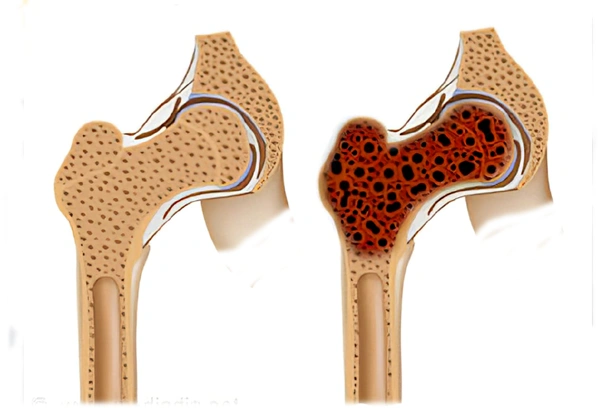
Cancer-Related Bone Pain is a common and often debilitating condition experienced by patients whose cancer has spread to the bones or affects the skeletal system. This type of pain can significantly limit mobility, disturb sleep, reduce independence, and negatively impact overall quality of life. Effective pain management is an essential part of comprehensive cancer care, helping patients remain comfortable and maintain daily activities.
If you are looking for Cancer-Related Bone Pain treatment in Mayur Vihar, Dr. Abhimanyu Rana offers compassionate, evidence-based pain management and palliative care tailored to each patient's individual needs. With expertise in Chronic Pain Management and Palliative Care, Dr. Rana focuses on relieving pain, improving mobility, controlling symptoms, and enhancing quality of life through personalized treatment plans.
What is Cancer-Related Bone Pain?
Cancer-Related Bone Pain occurs when cancer spreads (metastasizes) to the bones or originates within the bone itself. Tumors can weaken bone structure, irritate surrounding nerves, and trigger inflammation, resulting in persistent or severe pain.
The spine, pelvis, ribs, hips, and long bones are among the most commonly affected areas. In addition to pain, patients may experience reduced mobility, fractures, and other complications. Early diagnosis and multidisciplinary pain management help improve comfort and support ongoing cancer treatment.
Patients seeking Cancer-Related Bone Pain treatment in Mayur Vihar benefit from an individualized approach focused on symptom relief and improving overall well-being.
Common Symptoms of Cancer-Related Bone Pain
Symptoms may include:
- Persistent bone pain
- Deep aching pain
- Pain worsening at night
- Pain during movement
- Localized tenderness
- Reduced mobility
- Bone weakness
- Difficulty walking
- Fatigue
- Pain affecting sleep and daily activities
The intensity of pain may vary depending on the location and extent of bone involvement.
Causes of Cancer-Related Bone Pain
Common causes include:
- Bone metastasis from cancer
- Primary bone tumors
- Bone inflammation
- Compression of surrounding nerves
- Pathological fractures
- Cancer treatment-related bone changes
- Increased pressure within the bone
- Osteoporosis associated with cancer therapy
- Multiple myeloma
- Advanced-stage malignancies
Proper evaluation helps identify the source of pain and guide appropriate treatment.
Who Should Seek Treatment?
Consult a pain specialist if you experience:
- Persistent bone pain during cancer treatment
- Pain worsening over time
- Difficulty walking
- Pain disturbing sleep
- Bone tenderness
- Limited mobility
- Pain not adequately controlled with routine medications
- Reduced quality of life due to pain
Early pain management helps improve comfort and maintain independence.
Diagnosis
Dr. Abhimanyu Rana performs a comprehensive evaluation to assess the severity of pain and identify the underlying cause.
Diagnostic assessment may include:
- Detailed medical history
- Physical examination
- Review of cancer diagnosis and treatment
- Pain assessment scales
- X-rays
- MRI scan
- CT scan
- Bone scan or PET scan (when indicated)
- Functional assessment
A multidisciplinary approach ensures effective pain control while supporting ongoing cancer treatment.
Treatment Options
Treatment focuses on reducing pain, preserving function, and improving quality of life.
Medication Management
Appropriate medications may include:
- Pain-relieving medications
- Anti-inflammatory medications
- Neuropathic pain medications
- Opioid therapy when clinically indicated
- Bone-strengthening medications as advised by the oncology team
Interventional Pain Procedures
Advanced minimally invasive procedures may include:
- Image-guided nerve blocks
- Epidural injections (when appropriate)
- Vertebral augmentation procedures for selected spinal fractures
- Radiofrequency procedures in selected cases
These interventions may provide significant pain relief when medications alone are insufficient.
Palliative Care
Comprehensive palliative care includes:
- Pain control
- Symptom management
- Emotional support
- Nutritional guidance
- Family counseling
- Coordination with oncology specialists
Physiotherapy and Rehabilitation
A supervised rehabilitation program may help:
- Improve mobility
- Maintain muscle strength
- Enhance balance
- Reduce stiffness
- Support independence in daily activities
Comprehensive Pain Management
Dr. Rana works closely with oncologists and other healthcare professionals to provide individualized, multidisciplinary care focused on patient comfort and dignity.
Benefits of Early Treatment
Choosing Cancer-Related Bone Pain treatment in Mayur Vihar offers several advantages:
- Effective pain relief
- Improved mobility
- Better sleep quality
- Enhanced daily functioning
- Reduced dependence on emergency pain care
- Better tolerance of cancer treatment
- Improved emotional well-being
- Increased independence
- Comprehensive symptom management
- Better quality of life
Why Choose Dr. Abhimanyu Rana?
Dr. Abhimanyu Rana is a renowned specialist in Chronic Pain Management and Palliative Care, dedicated to providing compassionate, evidence-based treatment for patients living with cancer-related pain.
Expertise
- Chronic Pain Management
- Cancer Pain Management
- Palliative Care
- Image-guided interventional pain procedures
- Personalized patient-centered care
Education & Qualifications
- EFIC® Certificate in Pain Medicine Knowledge
- European Pain Federation (EFIC®), Brussels
- Certified in November 2022
- Specialized training in Pain Medicine
- Continuous education in advanced pain management techniques
Areas of Interest
- Cancer Pain Management
- Chronic Pain Management
- Palliative Care
- Neuropathic Pain Treatment
- Symptom Management
- Musculoskeletal Pain Management
Recovery and Supportive Care Tips
Patients can improve comfort and quality of life by:
- Following prescribed pain medications regularly
- Reporting new or worsening pain promptly
- Staying physically active as advised
- Using assistive devices when required
- Maintaining a balanced diet
- Preventing falls
- Attending regular oncology and pain management follow-ups
- Participating in physiotherapy when appropriate
- Seeking emotional and psychological support
- Working closely with the healthcare team
Frequently Asked Questions
1. What is Cancer-Related Bone Pain?
Cancer-Related Bone Pain occurs when cancer affects the bones, causing persistent pain due to bone damage, inflammation, or nerve irritation.
2. Which cancers commonly spread to bones?
Breast, prostate, lung, kidney, thyroid cancers, and multiple myeloma commonly involve the bones.
3. Can Cancer-Related Bone Pain be treated?
Yes. Comprehensive pain management, medications, interventional procedures, physiotherapy, and palliative care can effectively control symptoms.
4. What is the role of palliative care?
Palliative care focuses on relieving pain and other symptoms while improving comfort, emotional well-being, and quality of life at any stage of serious illness.
5. Are nerve blocks effective?
Yes. Image-guided nerve blocks and other interventional pain procedures can provide significant pain relief in selected patients.
6. Will pain management interfere with cancer treatment?
No. Pain management is designed to complement ongoing cancer treatment and improve overall patient comfort and function.
7. When should I consult a pain specialist?
If bone pain persists, worsens, or affects mobility, sleep, or daily activities despite treatment, consult a pain specialist promptly.
8. Why is early pain management important?
Early pain management helps improve comfort, maintain independence, support cancer treatment, and enhance overall quality of life.


