

Post Traumatic Nerve Injury Pain
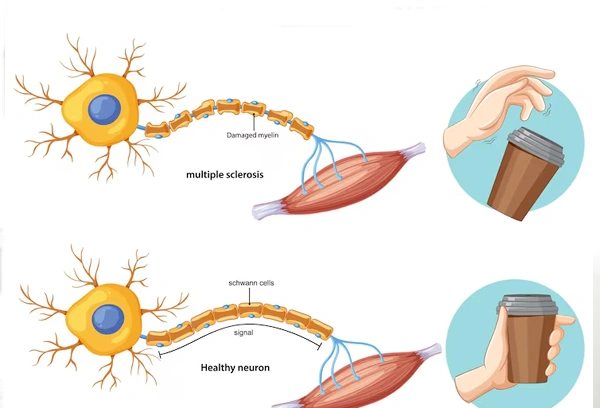
Post-Traumatic Nerve Injury Pain is a type of neuropathic pain that develops after an injury damages one or more peripheral nerves. The injury may result from road accidents, falls, sports injuries, fractures, cuts, burns, or surgical trauma. Damaged nerves can send abnormal pain signals to the brain, causing persistent pain even after the original injury has healed.
If you are searching for Post-Traumatic Nerve Injury Pain treatment in Mayur Vihar, Dr. Abhimanyu Rana provides comprehensive, evidence-based pain management solutions to reduce nerve pain, improve mobility, and restore quality of life. With expertise in Chronic Pain Management and Palliative Care, Dr. Rana offers personalized treatment plans using medications, rehabilitation, minimally invasive interventional pain procedures, and multidisciplinary care.
What is Post-Traumatic Nerve Injury Pain?
Post-Traumatic Nerve Injury Pain occurs when trauma causes damage to sensory or motor nerves, resulting in long-lasting pain and altered nerve function. Unlike normal pain from an injury, neuropathic pain may continue for months or years due to abnormal nerve healing or persistent nerve dysfunction.
The condition can affect any part of the body, including the arms, legs, hands, feet, face, or trunk. Early diagnosis and specialized pain management improve recovery and help prevent long-term disability.
Patients seeking Post-Traumatic Nerve Injury Pain treatment in Mayur Vihar benefit from a detailed evaluation and individualized treatment approach.
Common Symptoms of Post-Traumatic Nerve Injury Pain
Symptoms may include:
- Burning pain
- Sharp or shooting pain
- Electric shock-like sensations
- Tingling or "pins and needles"
- Numbness
- Increased sensitivity to touch
- Muscle weakness
- Reduced sensation
- Difficulty moving the affected limb
- Persistent pain after healing
Symptoms vary depending on the severity and location of nerve injury.
Causes of Post-Traumatic Nerve Injury Pain
Common causes include:
- Road traffic accidents
- Sports injuries
- Falls
- Fractures
- Deep cuts or lacerations
- Crush injuries
- Burns
- Penetrating injuries
- Surgical trauma
- Workplace accidents
Prompt evaluation helps identify the extent of nerve damage and guide appropriate treatment.
Who Should Seek Treatment?
Consult a pain specialist if you experience:
- Persistent pain after an injury
- Burning or electric shock-like pain
- Numbness or tingling
- Weakness in the affected limb
- Difficulty walking or using the hand
- Pain lasting more than a few weeks
- Symptoms interfering with sleep or daily activities
- Poor response to routine pain medications
Early treatment can improve nerve recovery and reduce chronic pain.
Diagnosis
Dr. Abhimanyu Rana performs a comprehensive evaluation to assess nerve function and identify the source of pain.
Diagnostic assessment may include:
- Detailed medical history
- Physical examination
- Neurological examination
- Sensory testing
- Muscle strength assessment
- Reflex evaluation
- Functional assessment
- MRI or ultrasound (when indicated)
- Nerve conduction studies (NCS) and electromyography (EMG)
A detailed diagnosis helps determine the most effective treatment plan.
Treatment Options
Treatment aims to relieve pain, improve nerve function, and restore mobility.
Medication Management
Specialized medications may be prescribed to:
- Control neuropathic pain
- Reduce burning sensations
- Improve sleep quality
- Enhance daily comfort
Physiotherapy and Rehabilitation
A personalized rehabilitation program may include:
- Strengthening exercises
- Balance training
- Range-of-motion exercises
- Gait training
- Functional rehabilitation
Physiotherapy supports nerve recovery and improves independence.
Interventional Pain Procedures
Advanced minimally invasive procedures may include:
- Peripheral nerve blocks
- Image-guided nerve injections
- Radiofrequency procedures in selected patients
- Neuromodulation therapies for chronic neuropathic pain
These treatments may provide significant relief when conservative management is insufficient.
Lifestyle Modification
Patients receive guidance regarding:
- Protecting the affected limb
- Maintaining physical activity
- nutrition
- Stress management
- Proper sleep hygiene
- Avoiding repetitive strain
Comprehensive Pain Management
Dr. Rana combines medications, rehabilitation, interventional procedures, and patient education to provide long-term pain relief and improve functional recovery.
Benefits of Early Treatment
Choosing Post-Traumatic Nerve Injury Pain treatment in Mayur Vihar offers several benefits:
- Reduced nerve pain
- Improved mobility
- Better muscle strength
- Enhanced nerve function
- Improved sleep quality
- Reduced dependence on pain medications
- Faster functional recovery
- Better emotional well-being
- Increased independence
- Improved quality of life
Why Choose Dr. Abhimanyu Rana?
Dr. Abhimanyu Rana is a renowned specialist in Chronic Pain Management and Palliative Care, dedicated to providing compassionate, evidence-based treatment for neuropathic pain and complex nerve injuries.
Expertise
- Chronic Pain Management
- Neuropathic Pain Treatment
- Peripheral Nerve Pain Management
- Image-guided interventional pain procedures
- Personalized patient-centered care
Education & Qualifications
- EFIC® Certificate in Pain Medicine Knowledge
- European Pain Federation (EFIC®), Brussels
- Certified in November 2022
- Specialized training in Pain Medicine
- Continuous education in advanced pain management techniques
Areas of Interest
- Neuropathic Pain Treatment
- Chronic Pain Management
- Musculoskeletal Pain Management
- Cancer Pain Management
- Palliative Care
- Symptom Management
Recovery and Self-Care Tips
Patients can support recovery by:
- Following prescribed medications
- Participating in physiotherapy regularly
- Protecting the injured area from further trauma
- Maintaining a healthy diet
- Staying physically active within recommended limits
- Avoiding smoking and excessive alcohol
- Managing stress effectively
- Attending regular follow-up appointments
- Reporting worsening symptoms promptly
- Practicing home exercises as advised
Frequently Asked Questions
1. What is Post-Traumatic Nerve Injury Pain?
It is chronic nerve pain that develops after trauma damages a peripheral nerve, leading to persistent neuropathic pain even after the original injury has healed.
2. What causes nerve injury pain after trauma?
Common causes include road accidents, fractures, sports injuries, deep cuts, burns, crush injuries, and surgical trauma.
3. What are the common symptoms?
Symptoms include burning pain, electric shock-like sensations, tingling, numbness, weakness, and increased sensitivity to touch.
4. Can damaged nerves recover?
Some nerves recover over time, depending on the severity of injury. Early treatment and rehabilitation improve recovery outcomes.
5. Are nerve blocks effective?
Yes. Image-guided peripheral nerve blocks can provide significant pain relief in carefully selected patients.
6. Is physiotherapy important?
Yes. Physiotherapy helps restore strength, mobility, balance, and function while supporting nerve healing.
7. When should I consult a pain specialist?
If nerve pain persists for several weeks after an injury or interferes with daily activities despite treatment, consult a pain specialist.
8. Why is early treatment important?
Early diagnosis and treatment help reduce chronic pain, improve nerve recovery, restore function, and enhance quality of life.


