

Chronic Pelvic Pain
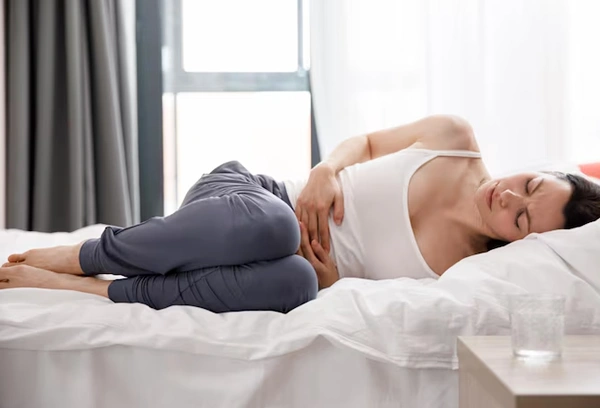
Chronic Pelvic Pain (CPP) is persistent pain in the lower abdomen or pelvic region that lasts for more than six months and may affect both men and women. The pain can range from mild discomfort to severe, disabling pain that interferes with daily activities, work, relationships, sleep, and emotional well-being. Since chronic pelvic pain may have multiple underlying causes, a comprehensive evaluation and personalized treatment plan are essential.
If you are searching for Chronic Pelvic Pain treatment in Mayur Vihar, Dr. Abhimanyu Rana offers compassionate, evidence-based pain management designed to relieve long-term pelvic pain and improve quality of life. With expertise in Chronic Pain Management and Palliative Care, Dr. Rana provides individualized care using medications, minimally invasive interventional pain procedures, rehabilitation, and multidisciplinary support.
What is Chronic Pelvic Pain?
Chronic Pelvic Pain is a long-lasting pain condition affecting the pelvic region that continues even after the original injury or illness has resolved. It may originate from the muscles, nerves, joints, bladder, reproductive organs, or digestive system. In some patients, no single cause can be identified, and the pain results from abnormal pain processing by the nervous system.
Patients seeking Chronic Pelvic Pain treatment in Mayur Vihar benefit from a thorough assessment to identify contributing factors and develop an effective long-term treatment strategy.
Common Symptoms of Chronic Pelvic Pain
Symptoms may include:
- Persistent lower abdominal pain
- Pelvic pressure or heaviness
- Burning or aching pelvic pain
- Pain during sitting
- Pain while walking
- Pain during or after sexual activity
- Pain during urination or bowel movements
- Lower back pain
- Pain radiating to the hips or thighs
- Sleep disturbances due to chronic pain
Symptoms may be continuous or occur intermittently and often worsen with prolonged sitting, physical activity, or stress.
Causes of Chronic Pelvic Pain
Common causes include:
- Endometriosis
- Pelvic inflammatory disease (PID)
- Interstitial cystitis (painful bladder syndrome)
- Irritable bowel syndrome (IBS)
- Pelvic floor muscle dysfunction
- Pudendal neuralgia
- Previous pelvic surgery
- Hernias
- Musculoskeletal disorders
- Nerve-related pelvic pain
A multidisciplinary evaluation helps identify the underlying source of pain whenever possible.
Who Should Seek Treatment?
Consult a pain specialist if you experience:
- Pelvic pain lasting longer than six months
- Pain interfering with daily activities
- Pain not responding to routine treatment
- Pelvic pain affecting sleep
- Pain during movement or sitting
- Recurrent pelvic pain without a clear cause
- Nerve-related burning or shooting pain
- Reduced quality of life due to persistent pelvic discomfort
Early treatment can prevent chronic pain progression and improve long-term outcomes.
Diagnosis
Dr. Abhimanyu Rana performs a detailed evaluation to identify the cause and severity of chronic pelvic pain.
Diagnostic assessment may include:
- Detailed medical history
- Physical examination
- Neurological examination
- Pelvic pain assessment
- Review of previous investigations
- MRI or ultrasound (when indicated)
- Blood tests if required
- Functional assessment
- Coordination with gynecologists, urologists, or gastroenterologists when necessary
A comprehensive diagnosis helps create a personalized treatment plan.
Treatment Options
Treatment focuses on relieving pain, restoring function, and improving quality of life.
Medication Management
Specialized medications may be prescribed to:
- Relieve chronic pain
- Control neuropathic pain
- Reduce inflammation
- Improve sleep quality
- Enhance daily comfort
Physiotherapy and Pelvic Floor Rehabilitation
A personalized rehabilitation program may include:
- Pelvic floor muscle relaxation
- Stretching exercises
- Strengthening exercises
- Postural correction
- Functional rehabilitation
Pelvic floor physiotherapy plays an important role in many patients with chronic pelvic pain.
Interventional Pain Procedures
Advanced minimally invasive procedures may include:
- Pudendal nerve block
- Superior hypogastric plexus block
- Trigger point injections
- Image-guided pelvic nerve blocks
- Radiofrequency procedures in selected patients
These interventions may provide significant pain relief when conservative treatment is insufficient.
Lifestyle Modification
Patients receive guidance regarding:
- Stress management
- Regular physical activity
- Healthy nutrition
- Weight management
- sleep hygiene
- Avoiding activities that worsen pain
Comprehensive Pain Management
Dr. Rana combines medication, rehabilitation, minimally invasive procedures, and patient education to provide individualized long-term pain control.
Benefits of Early Treatment
Choosing Chronic Pelvic Pain treatment in Mayur Vihar offers several benefits:
- Reduced pelvic pain
- Improved mobility
- Better sleep quality
- Improved pelvic floor function
- Enhanced daily activities
- Reduced dependence on pain medications
- Better emotional well-being
- Improved sexual health
- Increased independence
- Enhanced quality of life
Why Choose Dr. Abhimanyu Rana?
Dr. Abhimanyu Rana is a renowned specialist in Chronic Pain Management and Palliative Care, dedicated to providing compassionate, evidence-based treatment for chronic pelvic pain and complex pain disorders.
Expertise
- Chronic Pain Management
- Neuropathic Pain Treatment
- Pelvic Pain Management
- Image-guided interventional pain procedures
- Personalized patient-centered care
Education & Qualifications
- EFIC® Certificate in Pain Medicine Knowledge
- European Pain Federation (EFIC®), Brussels
- Certified in November 2022
- Specialized training in Pain Medicine
- Continuous education in advanced pain management techniques
Areas of Interest
- Chronic Pain Management
- Neuropathic Pain Treatment
- Musculoskeletal Pain Management
- Cancer Pain Management
- Palliative Care
- Symptom Management
Recovery and Self-Care Tips
Patients can support recovery by:
- Following prescribed medications
- Participating in pelvic floor physiotherapy
- Maintaining regular physical activity
- Managing stress effectively
- Practicing relaxation techniques
- Maintaining a healthy weight
- Staying hydrated
- Following a balanced diet
- Attending regular follow-up appointments
- Reporting new or worsening symptoms promptly
Frequently Asked Questions
1. What is Chronic Pelvic Pain?
Chronic Pelvic Pain is persistent pain in the pelvic region lasting more than six months that affects daily activities and quality of life.
2. What causes Chronic Pelvic Pain?
Common causes include endometriosis, pelvic floor dysfunction, nerve irritation, interstitial cystitis, irritable bowel syndrome, previous surgery, and musculoskeletal disorders.
3. Can Chronic Pelvic Pain affect both men and women?
Yes. Chronic Pelvic Pain can occur in both men and women and may arise from different pelvic organs, muscles, nerves, or joints.
4. Can pelvic floor physiotherapy help?
Yes. Pelvic floor rehabilitation can improve muscle function, reduce pain, and enhance mobility in many patients.
5. Are nerve blocks effective?
Yes. Image-guided pelvic nerve blocks such as pudendal nerve blocks or superior hypogastric plexus blocks may provide significant pain relief in selected patients.
6. Is surgery always necessary?
No. Most patients improve with comprehensive non-surgical pain management, rehabilitation, and minimally invasive procedures.
7. When should I consult a pain specialist?
If pelvic pain persists for more than six months or affects your daily life despite treatment, consult a pain specialist.
8. Why is early treatment important?
Early diagnosis and treatment help prevent chronic pain progression, improve physical function, reduce disability, and enhance overall quality of life.


