

Pancreatic Pain Chronic Pancreatitis
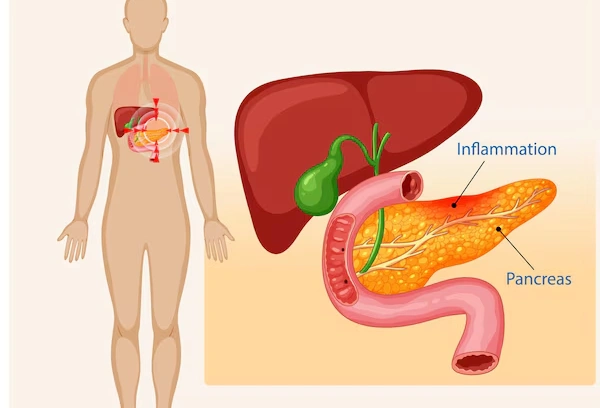
Chronic Pancreatitis is a long-term inflammatory condition of the pancreas that can cause persistent abdominal pain, digestive problems, and reduced quality of life. The pain may range from intermittent episodes to constant, severe discomfort that interferes with eating, sleeping, work, and daily activities. Effective pain management is an essential part of treatment, especially for patients with chronic or recurrent pancreatic pain.
If you are looking for Pancreatic Pain treatment in Mayur Vihar, Dr. Abhimanyu Rana offers compassionate, evidence-based pain management tailored to patients suffering from chronic pancreatitis and other pancreatic pain disorders. With expertise in Chronic Pain Management and Palliative Care, Dr. Rana provides individualized treatment using medications, image-guided interventional pain procedures, lifestyle modification, and multidisciplinary care to improve comfort and quality of life.
What is Pancreatic Pain?
Pancreatic pain is abdominal pain that originates from inflammation or damage to the pancreas. In Chronic Pancreatitis, repeated inflammation causes permanent structural damage to the pancreas, resulting in long-lasting pain, digestive dysfunction, and, in some cases, diabetes.
The pain is usually felt in the upper abdomen and may radiate to the back. It often worsens after meals or alcohol consumption and may become continuous over time.
Patients seeking Pancreatic Pain treatment in Mayur Vihar benefit from a comprehensive evaluation and personalized pain management plan designed to control symptoms and improve daily functioning.
Common Symptoms of Chronic Pancreatitis
Symptoms may include:
- Persistent upper abdominal pain
- Pain radiating to the back
- Pain after eating
- Nausea and vomiting
- Loss of appetite
- Unintentional weight loss
- Oily or fatty stools (steatorrhea)
- Bloating
- Fatigue
- Difficulty digesting food
Symptoms vary depending on the severity of pancreatic damage.
Causes of Pancreatic Pain
Common causes include:
- Chronic pancreatitis
- Long-term alcohol consumption
- Gallstones
- Pancreatic duct obstruction
- Genetic pancreatic disorders
- Autoimmune pancreatitis
- High triglyceride levels
- Previous episodes of acute pancreatitis
- Smoking
- Pancreatic tumors (in some cases)
Identifying the underlying cause is important for effective treatment and long-term management.
Who Should Seek Treatment?
Consult a pain specialist if you experience:
- Persistent upper abdominal pain
- Pain spreading to the back
- Recurrent pancreatitis attacks
- Pain affecting eating or sleep
- Chronic abdominal pain despite treatment
- Significant weight loss due to pain
- Reduced quality of life
- Pain requiring frequent pain medications
Early pain management helps reduce suffering and improve daily functioning.
Diagnosis
Dr. Abhimanyu Rana performs a detailed evaluation in coordination with gastroenterologists and other specialists when necessary.
Diagnostic assessment may include:
- Detailed medical history
- Physical examination
- Review of previous medical records
- Blood investigations
- CT scan
- MRI or MRCP
- Endoscopic ultrasound (when indicated)
- Functional assessment
- Pain severity evaluation
A comprehensive diagnosis helps determine the most appropriate treatment plan.
Treatment Options
Treatment focuses on reducing pain, improving digestion, and enhancing quality of life.
Medication Management
Specialized medications may be prescribed to:
- Relieve chronic abdominal pain
- Control neuropathic pain
- Reduce inflammation
- Improve digestive symptoms
- Enhance daily comfort
Celiac Plexus Block
One of the most effective interventional pain procedures for pancreatic pain is the Celiac Plexus Block, an image-guided injection that interrupts pain signals from the pancreas.
This minimally invasive procedure may provide significant pain relief for selected patients with chronic pancreatitis or pancreatic cancer.
Other Interventional Pain Procedures
Depending on the patient's condition, treatment may include:
- Image-guided nerve blocks
- Neurolytic procedures in selected cases
- Epidural pain management (when indicated)
Nutritional and Lifestyle Management
Patients receive guidance regarding:
- Low-fat diet
- Small frequent meals
- Alcohol cessation
- Smoking cessation
- Adequate hydration
- Pancreatic enzyme supplementation (when advised by the treating physician)
Comprehensive Pain Management
Dr. Rana works closely with gastroenterologists, surgeons, nutritionists, and other healthcare professionals to provide multidisciplinary care focused on long-term symptom control.
Benefits of Early Treatment
Choosing Pancreatic Pain treatment in Mayur Vihar offers several benefits:
- Reduced abdominal pain
- Improved digestion
- Better appetite
- Improved sleep quality
- Enhanced daily functioning
- Reduced dependence on pain medications
- Better nutritional status
- Improved emotional well-being
- Better long-term symptom control
- Enhanced quality of life
Why Choose Dr. Abhimanyu Rana?
Dr. Abhimanyu Rana is a renowned specialist in Chronic Pain Management and Palliative Care, dedicated to providing compassionate, evidence-based treatment for chronic abdominal pain and complex pain disorders.
Expertise
- Chronic Pain Management
- Chronic Pancreatitis Pain Management
- Image-guided interventional pain procedures
- Cancer Pain Management
- Personalized patient-centered care
Education & Qualifications
- EFIC® Certificate in Pain Medicine Knowledge
- European Pain Federation (EFIC®), Brussels
- Certified in November 2022
- Specialized training in Pain Medicine
- Continuous education in advanced pain management techniques
Areas of Interest
- Chronic Pain Management
- Cancer Pain Management
- Neuropathic Pain Treatment
- Palliative Care
- Symptom Management
- Musculoskeletal Pain Management
Recovery and Self-Care Tips
Patients can improve long-term outcomes by:
- Following prescribed medications regularly
- Avoiding alcohol completely
- Quitting smoking
- Eating a healthy low-fat diet
- Consuming small frequent meals
- Staying hydrated
- Taking pancreatic enzyme supplements if prescribed
- Maintaining regular follow-up appointments
- Reporting worsening symptoms promptly
- Staying physically active within individual limits
Frequently Asked Questions
1. What is Chronic Pancreatitis?
Chronic Pancreatitis is long-term inflammation of the pancreas that causes permanent damage and persistent abdominal pain.
2. Where is pancreatic pain usually felt?
It is commonly felt in the upper abdomen and may radiate to the back, especially after meals.
3. Can Chronic Pancreatitis be cured?
While permanent pancreatic damage cannot usually be reversed, effective pain management and lifestyle changes can significantly improve symptoms and quality of life.
4. What is a Celiac Plexus Block?
A Celiac Plexus Block is an image-guided procedure that blocks pain signals from the pancreas and can provide significant pain relief in selected patients.
5. Is surgery always required?
No. Most patients initially benefit from medications, dietary changes, and interventional pain management procedures.
6. Can alcohol worsen pancreatic pain?
Yes. Alcohol is one of the leading causes of chronic pancreatitis and can significantly worsen symptoms.
7. When should I consult a pain specialist?
If abdominal pain persists despite treatment or affects your daily life, eating, or sleep, consult a pain specialist.
8. Why is early pain management important?
Early intervention helps control pain, improve nutrition, maintain daily activities, and enhance overall quality of life.


