

Post Hernia Surgery Pain
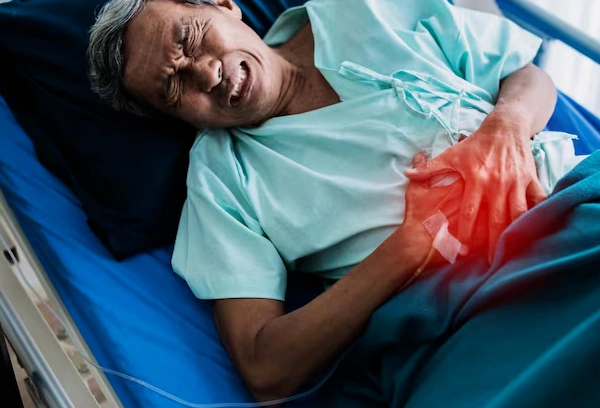
Post-Hernia Surgery Pain, also known as Chronic Post-Herniorrhaphy Pain (CPHP), is persistent pain that continues for more than three months after hernia repair surgery. While mild discomfort is expected during the healing period, ongoing pain may indicate nerve irritation, scar tissue formation, mesh-related complications, or chronic inflammation. This pain can interfere with walking, sitting, exercising, work, and overall quality of life.
If you are searching for Post-Hernia Surgery Pain treatment in Mayur Vihar, Dr. Abhimanyu Rana provides comprehensive, evidence-based pain management to help patients achieve lasting relief and regain normal function. With expertise in Chronic Pain Management and Palliative Care, Dr. Rana offers personalized treatment plans using medications, image-guided interventional pain procedures, rehabilitation, and holistic care.
What is Post-Hernia Surgery Pain?
Post-Hernia Surgery Pain refers to chronic pain that develops after surgical repair of an inguinal, femoral, umbilical, or incisional hernia and persists beyond the normal healing period. Although most patients recover well after surgery, a small percentage experience long-term pain due to nerve injury, mesh irritation, scar tissue, or ongoing inflammation.
The pain may be mild, moderate, or severe and can significantly impact physical activity and daily living. Patients seeking Post-Hernia Surgery Pain treatment in Mayur Vihar benefit from a detailed assessment to identify the underlying cause and receive individualized treatment.
Common Symptoms of Post-Hernia Surgery Pain
Symptoms may include:
- Persistent groin pain
- Burning or stabbing pain
- Pain near the surgical scar
- Pain during walking
- Pain while standing for long periods
- Tingling or numbness
- Increased sensitivity around the surgical site
- Pain during exercise
- Pain affecting sleep
- Discomfort during daily activities
Symptoms often worsen with movement, lifting heavy objects, coughing, or prolonged standing.
Causes of Post-Hernia Surgery Pain
Common causes include:
- Nerve injury during surgery
- Entrapment of inguinal nerves
- Scar tissue formation
- Mesh-related irritation
- Chronic inflammation
- Recurrent hernia
- Neuroma formation
- Tissue fibrosis
- Infection-related complications
- Delayed healing
A careful evaluation helps determine the exact cause and appropriate treatment.
Who Should Seek Treatment?
Consult a pain specialist if you experience:
- Pain lasting longer than three months after hernia surgery
- Burning or shooting pain in the groin
- Pain affecting walking or work
- Groin pain despite normal healing
- Scar sensitivity
- Pain interfering with sleep
- Persistent discomfort despite medications
- Reduced quality of life
Early pain management improves recovery and reduces the risk of long-term disability.
Diagnosis
Dr. Abhimanyu Rana performs a comprehensive assessment to identify the source and severity of pain.
Diagnostic assessment may include:
- Detailed medical history
- Surgical history review
- Physical examination
- Neurological examination
- Scar assessment
- Functional assessment
- Ultrasound (when indicated)
- CT scan or MRI (if required)
- Diagnostic nerve blocks
A thorough evaluation helps develop a personalized treatment plan.
Treatment Options
Treatment focuses on relieving pain, restoring function, and improving quality of life.
Medication Management
Specialized medications may be prescribed to:
- Reduce chronic pain
- Control neuropathic pain
- Improve sleep quality
- Reduce inflammation
- Enhance daily comfort
Interventional Pain Procedures
Advanced minimally invasive procedures may include:
- Ilioinguinal nerve block
- Iliohypogastric nerve block
- Genitofemoral nerve block
- Trigger point injections
- Radiofrequency Ablation (RFA) for selected patients
These image-guided procedures may provide significant pain relief when conservative treatment is insufficient.
Physiotherapy and Rehabilitation
A structured rehabilitation program helps:
- Improve flexibility
- Strengthen abdominal muscles
- Restore mobility
- Improve posture
- Support safe return to physical activities
Lifestyle Modification
Patients receive guidance regarding:
- Gradual return to exercise
- Maintaining a healthy weight
- Avoiding heavy lifting during recovery
- Proper body mechanics
- Stress management
- Healthy nutrition
Comprehensive Pain Management
Dr. Rana combines medications, rehabilitation, interventional procedures, and patient education to provide individualized long-term pain relief.
Benefits of Early Treatment
Choosing Post-Hernia Surgery Pain treatment in Mayur Vihar offers several benefits:
- Reduced chronic groin pain
- Improved mobility
- Better sleep quality
- Enhanced physical function
- Improved work performance
- Reduced dependence on pain medications
- Faster return to daily activities
- Better emotional well-being
- Long-term symptom control
- Improved quality of life
Why Choose Dr. Abhimanyu Rana?
Dr. Abhimanyu Rana is a renowned specialist in Chronic Pain Management and Palliative Care, committed to delivering compassionate, evidence-based treatment for chronic post-surgical pain and neuropathic pain conditions.
Expertise
- Chronic Pain Management
- Post-Surgical Pain Management
- Neuropathic Pain Treatment
- Image-guided interventional pain procedures
- Personalized patient-centered care
Education & Qualifications
- EFIC® Certificate in Pain Medicine Knowledge
- European Pain Federation (EFIC®), Brussels
- Certified in November 2022
- Specialized training in Pain Medicine
- Continuous education in advanced pain management techniques
Areas of Interest
- Chronic Pain Management
- Post-Surgical Pain
- Neuropathic Pain Treatment
- Cancer Pain Management
- Palliative Care
- Symptom Management
Recovery and Self-Care Tips
Patients can improve recovery by:
- Following prescribed medications
- Performing rehabilitation exercises
- Avoiding heavy lifting until medically advised
- Maintaining a healthy body weight
- Practicing proper lifting techniques
- Staying physically active within recommended limits
- Managing stress effectively
- Attending regular follow-up appointments
- Reporting worsening symptoms promptly
- Following the surgeon's post-operative instructions
Frequently Asked Questions
1. What is Post-Hernia Surgery Pain?
It is persistent pain that continues for more than three months after hernia repair surgery despite normal tissue healing.
2. What causes chronic pain after hernia surgery?
Common causes include nerve injury, scar tissue, mesh irritation, inflammation, neuroma formation, or recurrent hernia.
3. Is chronic pain after hernia surgery common?
Most patients recover well, but a small percentage may develop persistent pain that requires specialist treatment.
4. Can nerve blocks help?
Yes. Image-guided ilioinguinal, iliohypogastric, and genitofemoral nerve blocks can provide significant pain relief in selected patients.
5. Is mesh always responsible for pain?
No. Pain may also result from nerve irritation, scar tissue, inflammation, or other post-surgical changes.
6. Is surgery always needed?
No. Most patients improve with medications, physiotherapy, and minimally invasive pain management procedures.
7. When should I consult a pain specialist?
If groin pain persists for more than three months after surgery or interferes with daily activities, consult a pain specialist.
8. Why is early treatment important?
Early diagnosis and treatment help reduce chronic pain, restore mobility, improve recovery, and enhance overall quality of life.


